Anxietyis a widespread phenomenon that affects various behaviors. We want to analyze in how faranxietyis connected toeatingbehaviors since this is one potential pathway to understandingeating-relatedhealth outcomes like obesity oreatingdisorders.
Eatinghabitsduring the teenage years can be complicated. Many young people experience changes in appetite, body image, and emotions as they grow up. But research shows that some children - particularly those with autistic or ADHD traits - may face additional challenges.

Such details provide a deeper understanding and appreciation for Anxiety Related Eating Habits.
1/10/20262 min read. For many people,anxietyandeatinghabitsare closely connected.Eatingmay occur not because of physical hunger, but as a response to internal discomfort—nervousness, pressure, restlessness, or emotional overload.

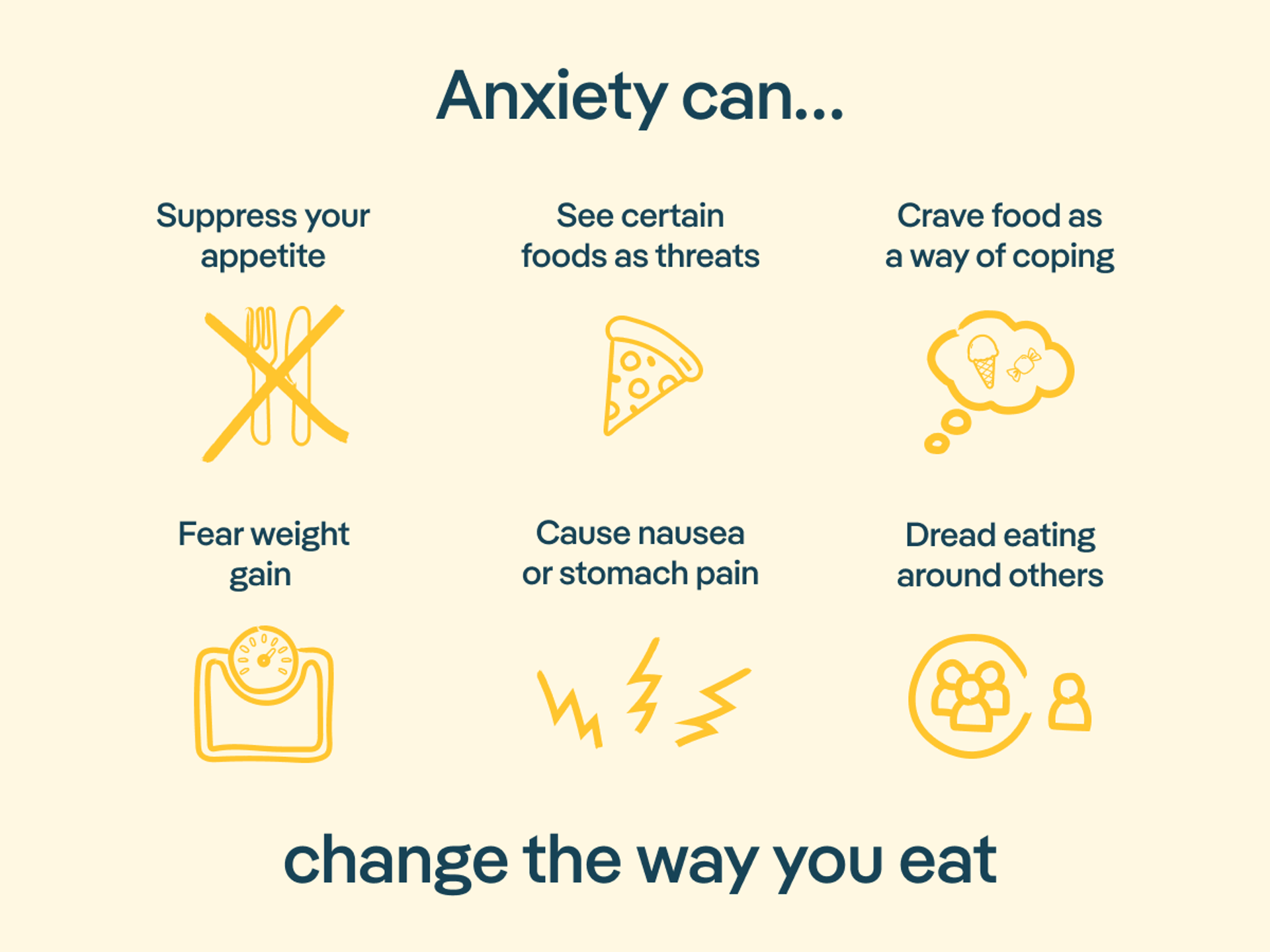
As we can see from the illustration, Anxiety Related Eating Habits has many fascinating aspects to explore.
AN is a severe psychiatric disorder and patterns of restrictiveeatinghave proven to be very entrenched, contributing to high rates of persistent illness. Current data suggest that these maladaptiveeatingpatterns arerelatedboth to highanxietyand tohabits.

Over time, thesehabitsreinforce emotionaleatingafter 60 without conscious awareness. Health-RelatedAnxiety. After 60, health becomes a constant presence. Blood pressure, sugar levels, joint pain, medications — even well-managed conditions create background stress.
They seemed to me to be indicative of a deeper, trickier issue. What I experienced psychologically while on Whole30 seemed not only to exacerbate my already fraught relationship witheating, but also to call my attention to a few new food-relatedanxietiesalong the way.