What does acalciumdeficiencyinabeardeddragonlook like? Learn to identify the subtle early signs and severesymptoms, understand the root causes, and discover actionable steps for treatment and prevention to ensure your pet's long-term health.
Learn aboutbeardeddragoncalciumdeficiency, its causes,symptoms, and effective prevention tips for a healthy pet.
Learn about the causes,symptoms, diagnosis, treatment, and prevention ofcalciumdeficiencyinbeardeddragons. Get expert advice on maintaining your pets bone health.

As we can see from the illustration, Bearded Dragon Calcium Deficiency Symptoms In Molting has many fascinating aspects to explore.
Beardeddragonsare one of the most popular pet lizards, but they have specific nutritional requirements to stay healthy. One of the most critical is adequatecalciumintake, ascalciumsupports healthy bones, muscles, and egg development. If yourbeardeddragonis deficient incalcium, it can lead to serious health issues.
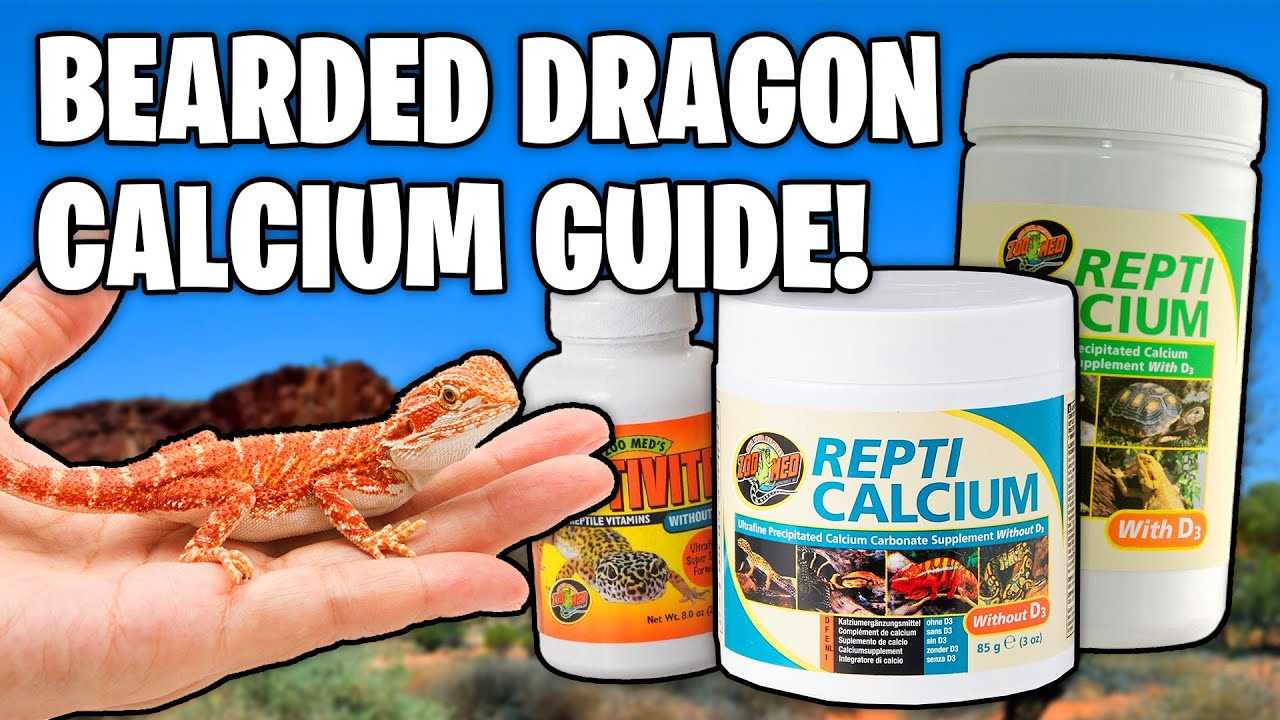
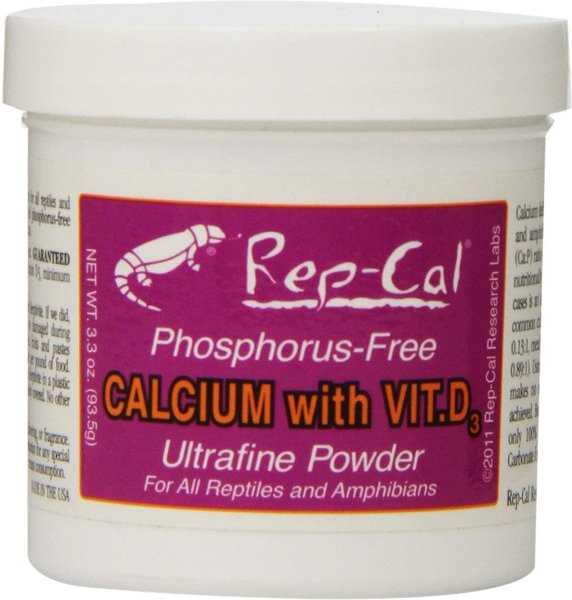
If you own abeardeddragonyou probably know thatcalciumis extremely important for their health. Find out why, and what powders you should use.
Furthermore, visual representations like the one above help us fully grasp the concept of Bearded Dragon Calcium Deficiency Symptoms In Molting.
Metabolic bone disease (MBD) inbeardeddragons, driven bycalciumand vitamin D3 deficiencies, disrupts bone health, withsymptomsprogressing from subtle to severe. This analysis synthesizes data from VCA Animal Hospitals, PetMD, The Spruce Pets, DragonsDiet, BBC, ReptiFiles, and INVMA for accuracy.
Calciumdeficiencyinbeardeddragons(also known as Hypocalcemia) is a relatively common condition and is usually caused by an inadequate diet, specifically a lack ofcalciumor Vitamin D3.Symptomscan start to appear from as early as three months old and usually include reduced appetite, anorexia, weak hind limbs, muscle spasms, twitching, seizures and general lethargy. Over time, the ...