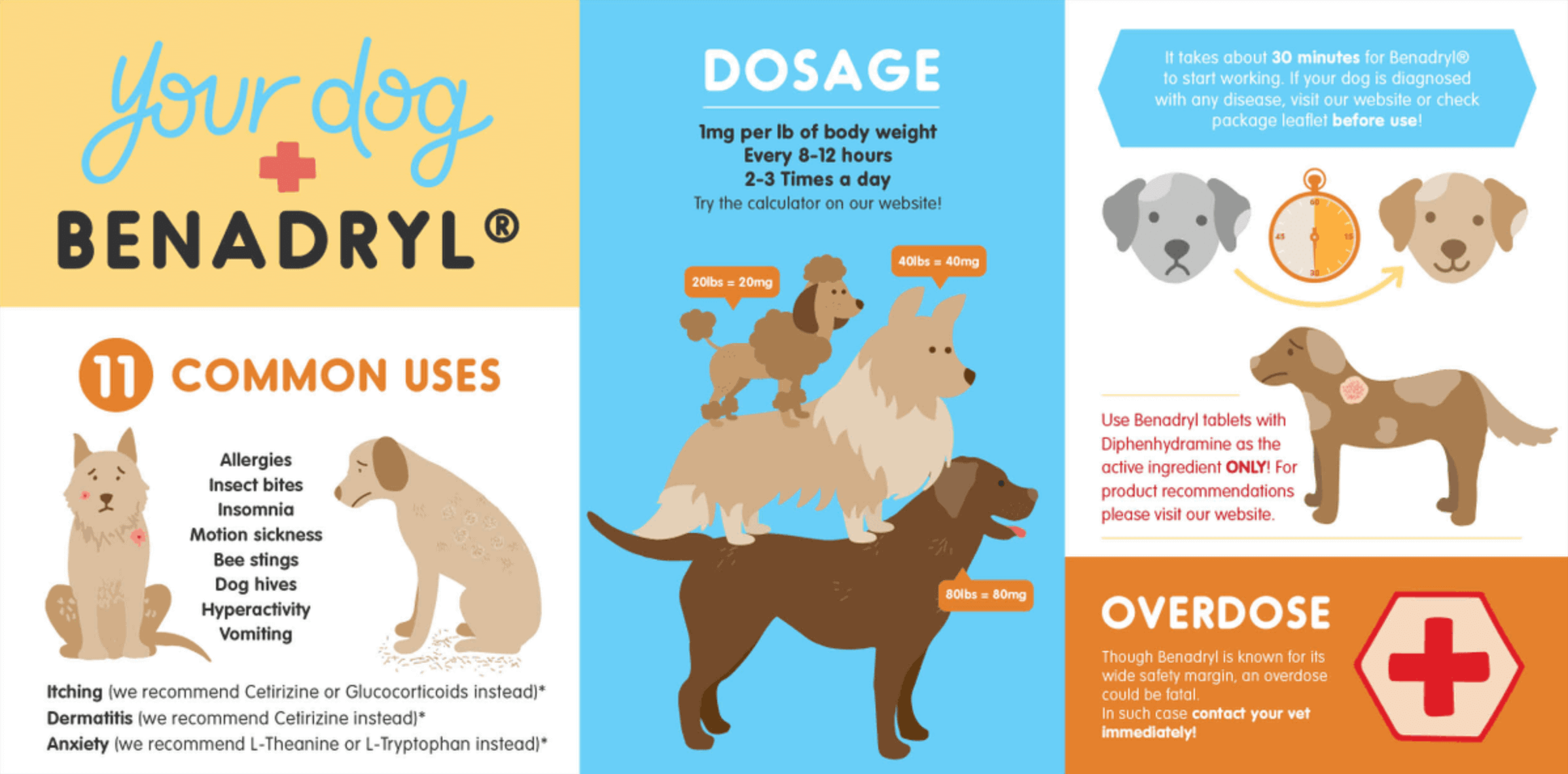
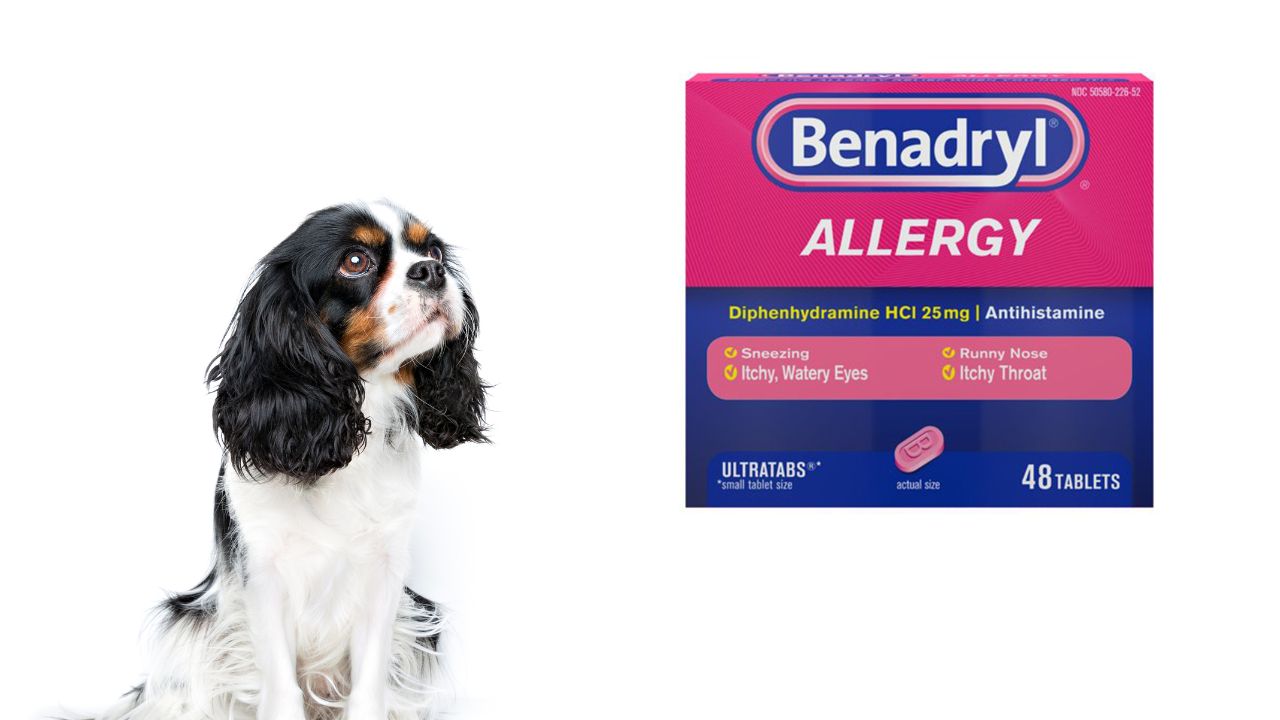
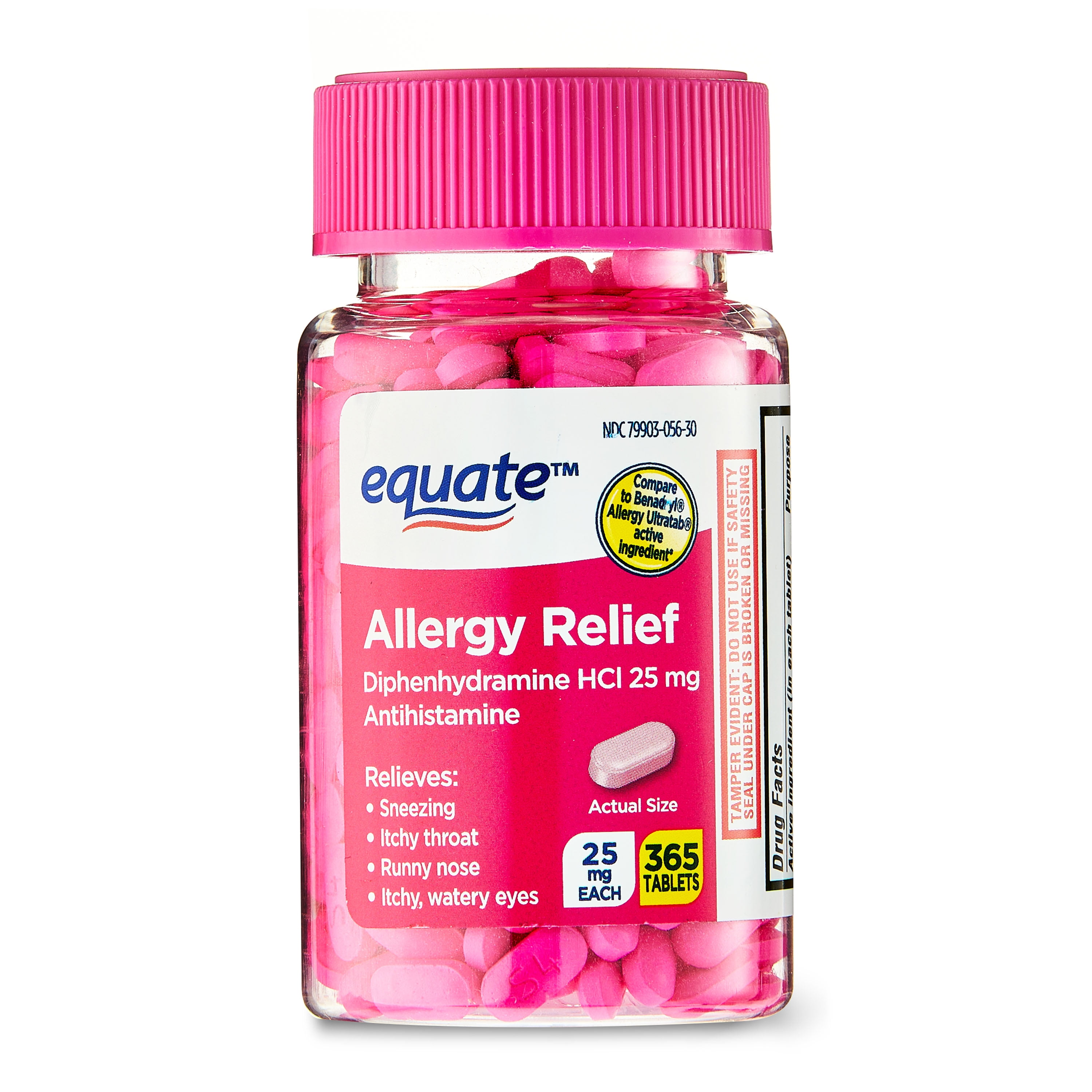
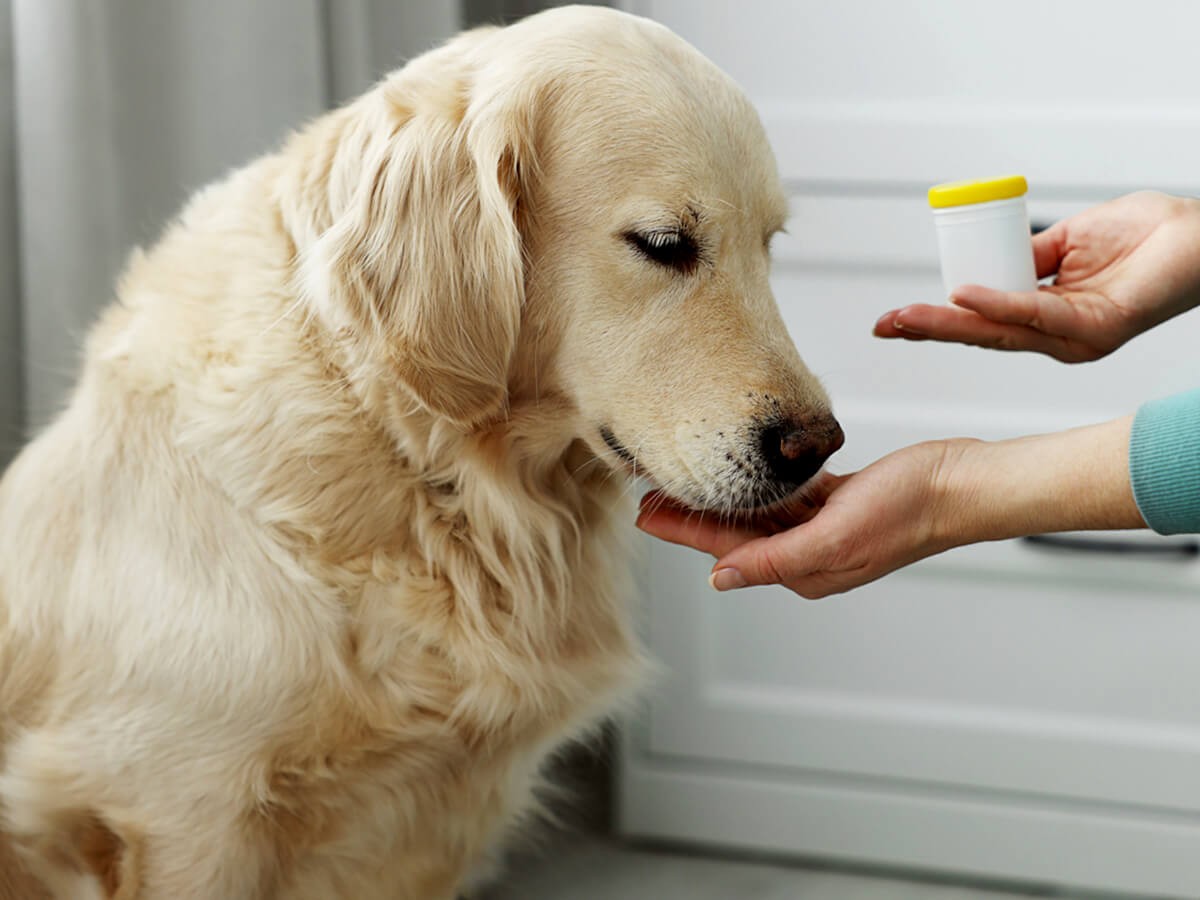
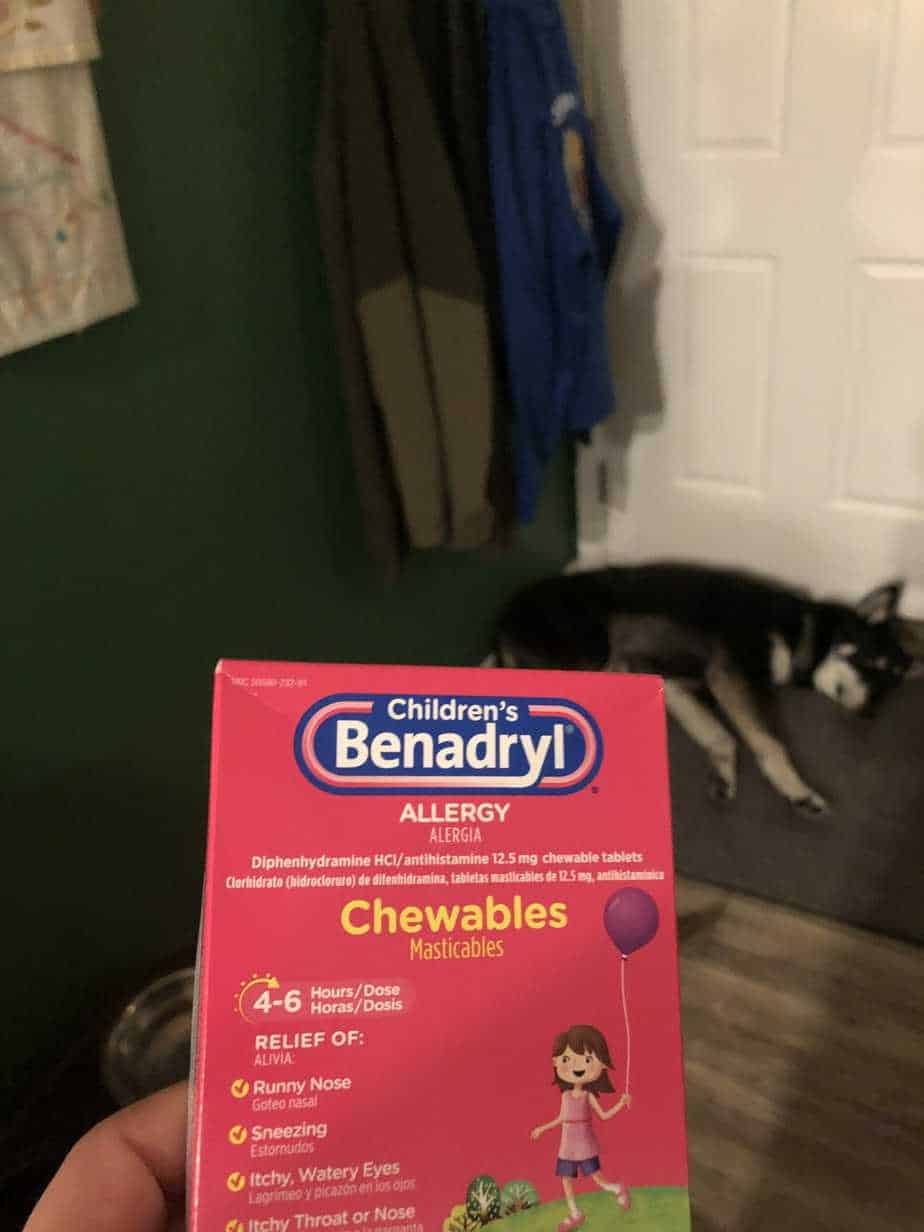
Benadryl, or diphenhydramine fordogs, is an over-the-counter human medication that veterinarians commonly use to treatallergies, travel anxiety, and motion sickness.
WhyBenadrylUsually Doesn't Help Much with ItchySkinBenadryl, or diphenhydramine, is an antihistamine. Antihistamines can be useful indogsto treat allergic reactions like an insect bite or sting, motion sickness, and to provide sedation, but they're not very useful forskinallergies. This is becausedogswithskinallergiesdon't itch primarily because of histamine, the chemical ...
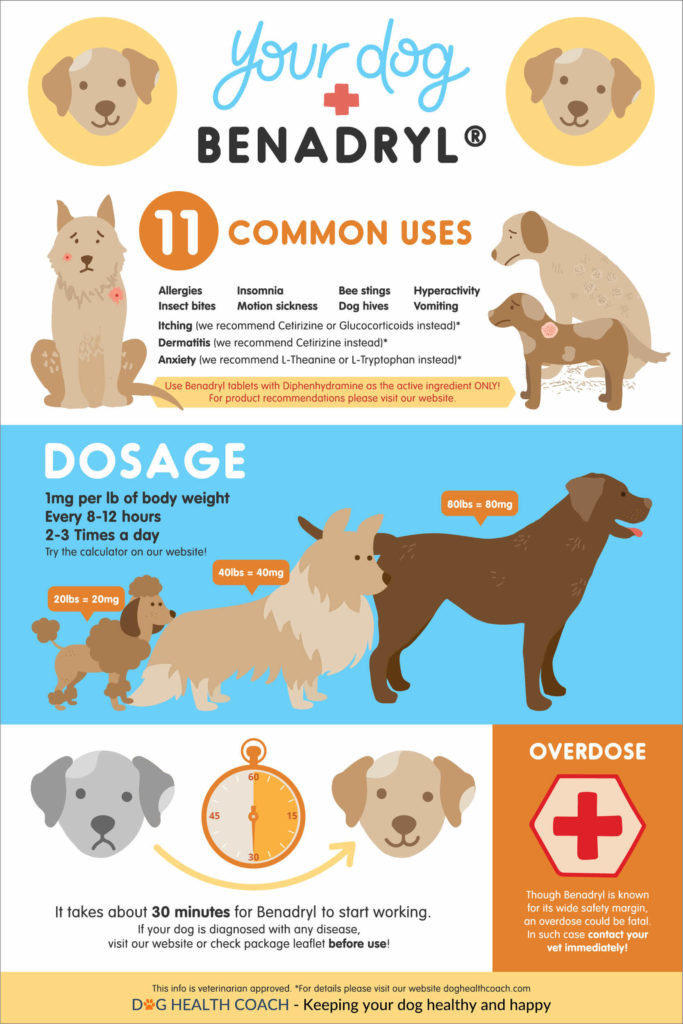
Learn aboutBenadrylfordogs, including how much you can give yourdogand if it's safe, with expert insights from a veterinarian.

Indogsexperiencingallergies, symptoms like redness of theskin, hives (urticaria), swelling around the face or paws, and excessive itching are common targets forBenadryltreatment. The drug's sedative properties also help calm anxious or restlessdogssuffering from allergy discomfort.

This guide explores usingBenadrylfordogallergies, explaining its effectiveness, correct dosage, potential side effects, and when to consult a vet. Learn how this readily available medication can turn your sniffling pup into a happy, tail-wagging friend.
Formild allergy symptoms—itching, paw licking, mild swelling—Benadryl fordogsis a great go-to. But if your pup shows signs like trouble breathing, full-body hives, vomiting, or collapse, skip theBenadryland head straight to your vet or ER .
An allergic reaction in adogcan present as a swollen muzzle, redskin, hives, or even vomiting. While you should contact your vet first,Benadrylis almost always used to respond to a reaction .