Anxietyincatsoften explains aggression, scratching, and litter box issues. Learn the science behind stress and how to help ethically.
Discover the most commoncatanxietysymptoms and treatment options. Learn why yourcatis suddenly anxious and how to calm an anxiouscatnaturally.
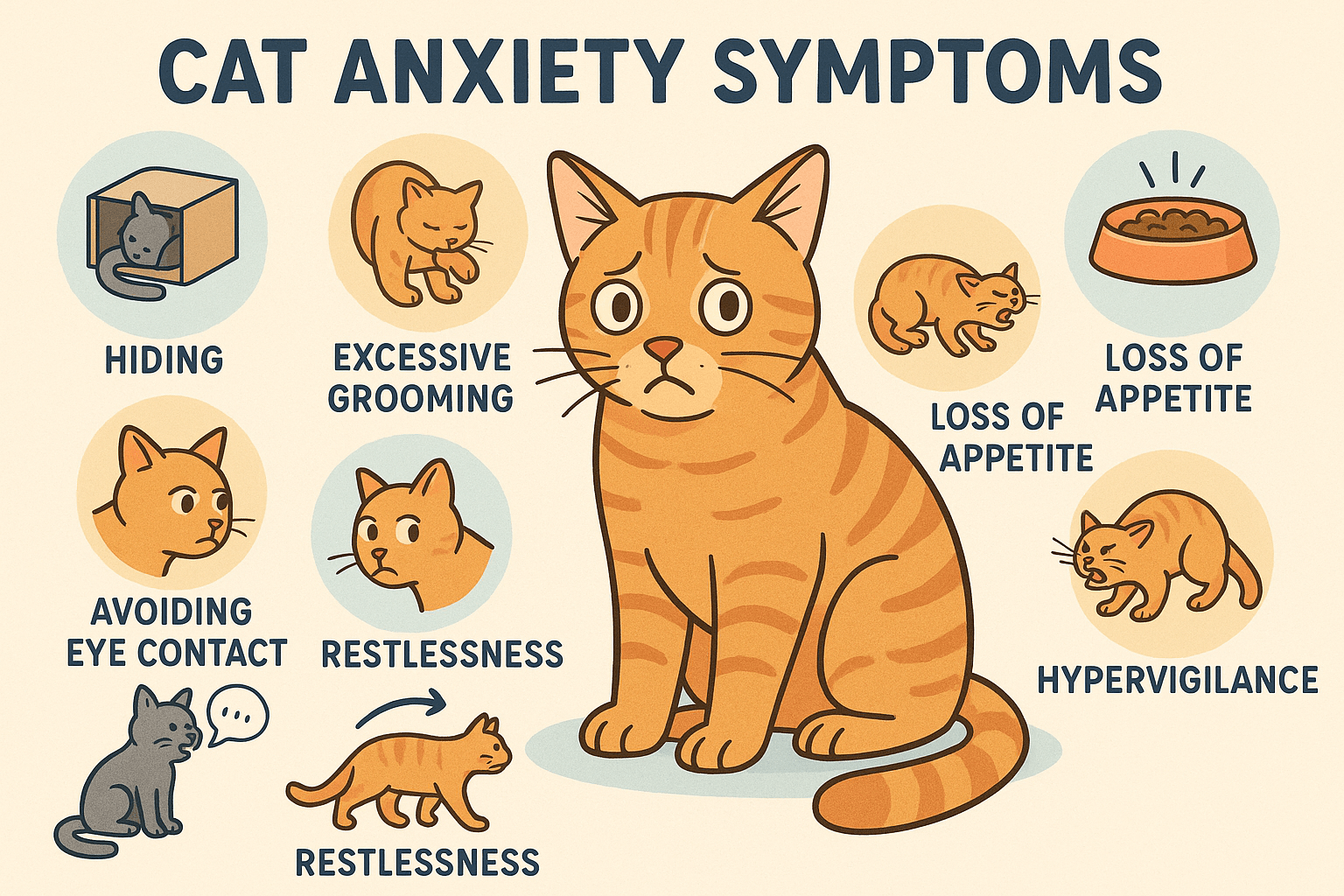
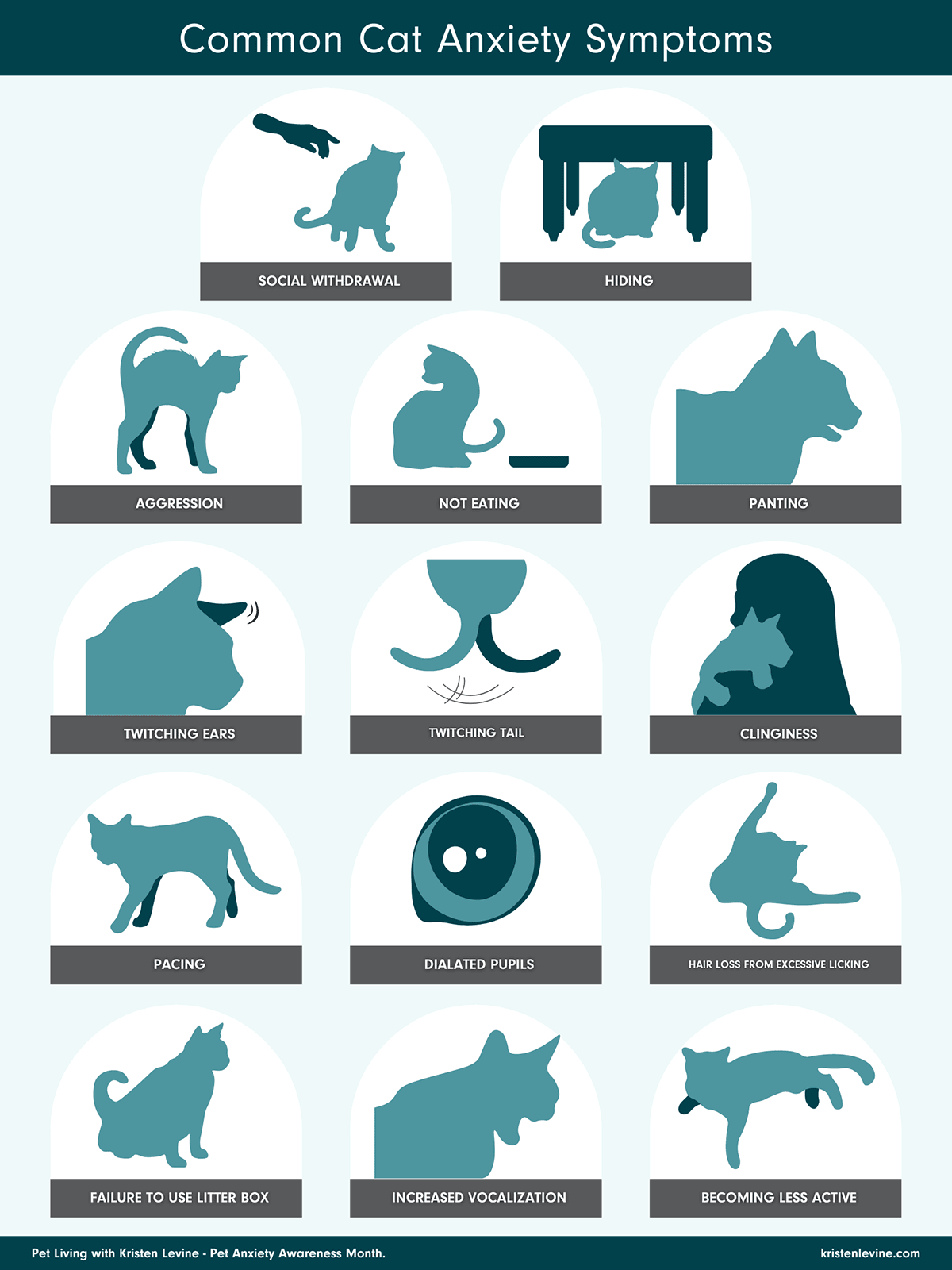
Catsoften showanxietyas behavioral changes, such as body language changes, hiding, aggression, inappropriate urination, and/or overgrooming. Butanxietyincatscan also present as physical signs, such as panting, staring, restlessness, and dilated pupils. If you notice any signs ofanxietyin yourcat, take them to the vet to rule out any underlying issues. If yourcatgets a clean bill of ...
Catanxietycan lead to all kinds ofhealthand behavioral problems. Learn to recognize the signs—and what you can do about them.
Undesirablebehaviorscan be the result of species-typicalbehavior, emotional disorders, or mentalhealthproblems. They might be due to genetic factors, stressful perinatal (prenatal, neonatal) environments, insufficient early socialization, medical conditions affecting brainhealthand development, or particularly traumatic environmental events. Problematicbehaviorincatscan include ...
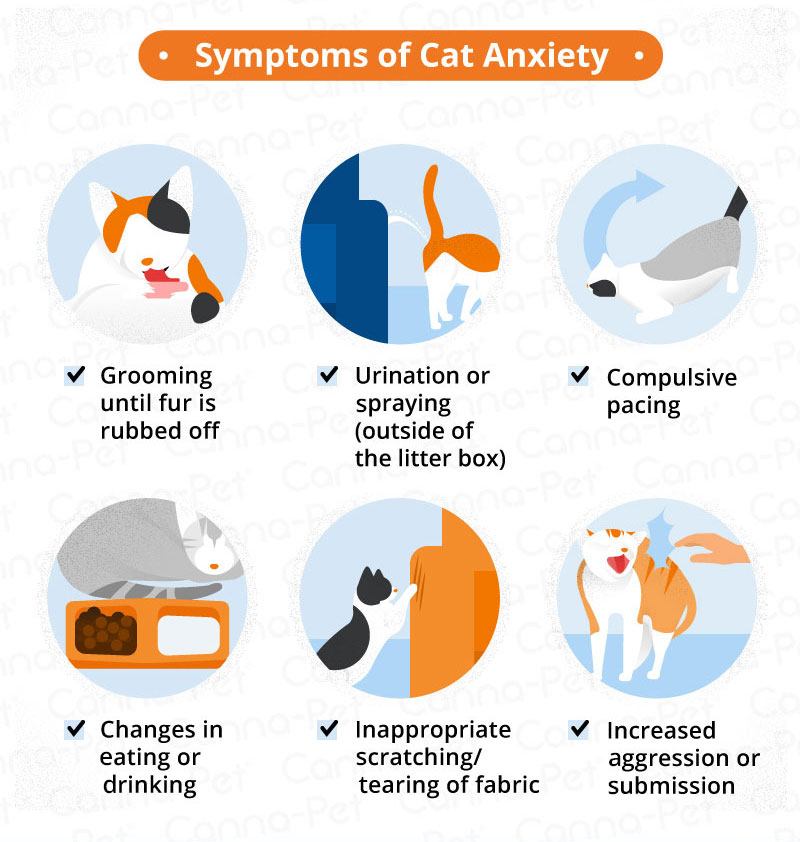
As we can see from the illustration, Cat Health Anxiety Behaviors has many fascinating aspects to explore.
What iscatanxiety?Catanxietyis a stress response to a perceived threat or uncomfortable situation. Unlike a single fearful moment,anxietyis persistent. It shapesbehaviorover time, affects physicalhealthand often gets worse without treatment. Here's what makes it tricky:catsexpressanxietyvery differently from dogs.
Catanxietyis a behavioral and emotional pattern in which acatappears to respond to stress, uncertainty, or perceived threat in a heightened way. It is often connected to changes in thecat'senvironment, social experience,health, or daily routine.