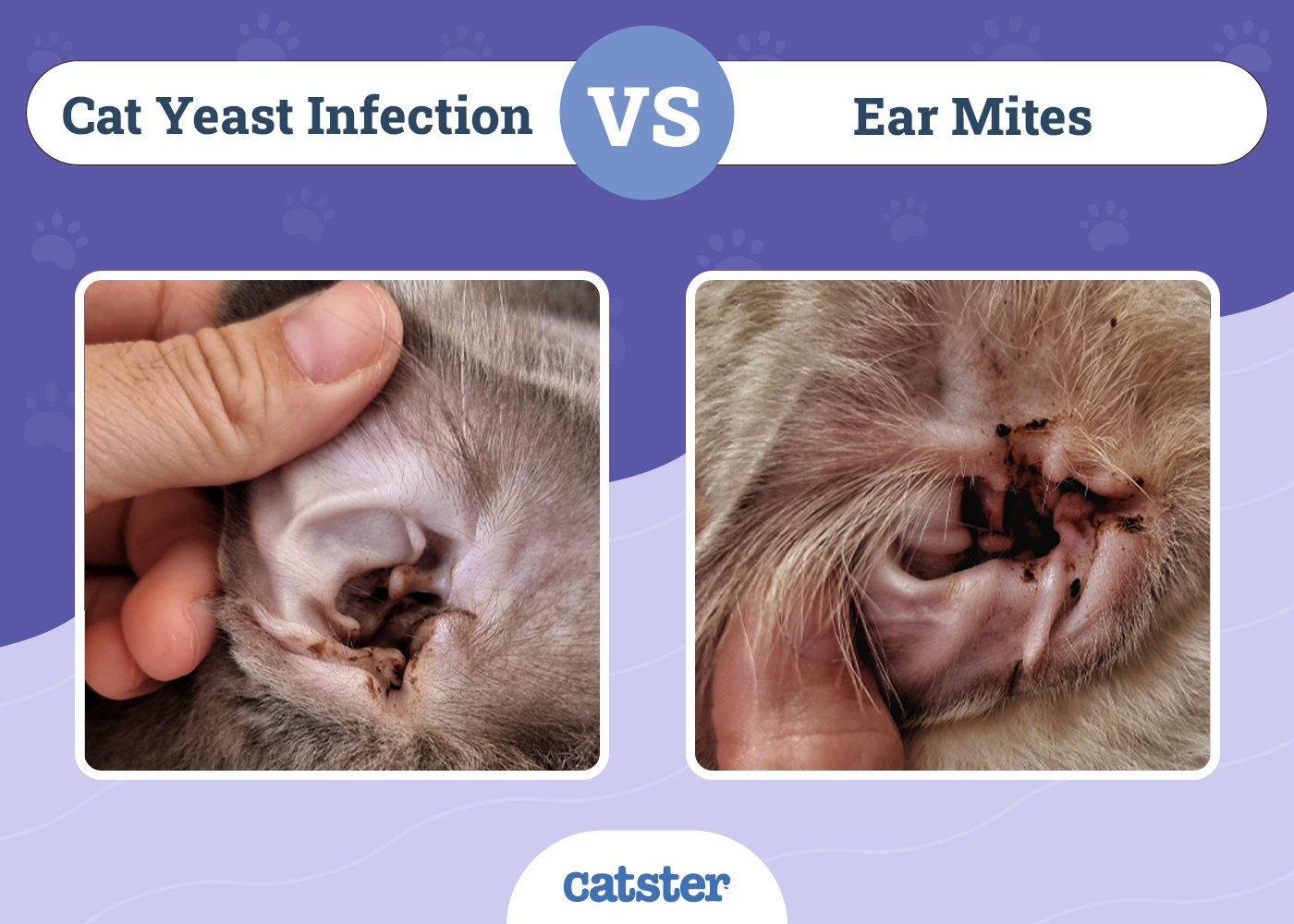
What CausesEarInfectionsinCats? Generally, unless yourcathas picked up mites from another animal,earinfectionsare a secondary condition. That means they are actually the result of some other underlying medical problem.
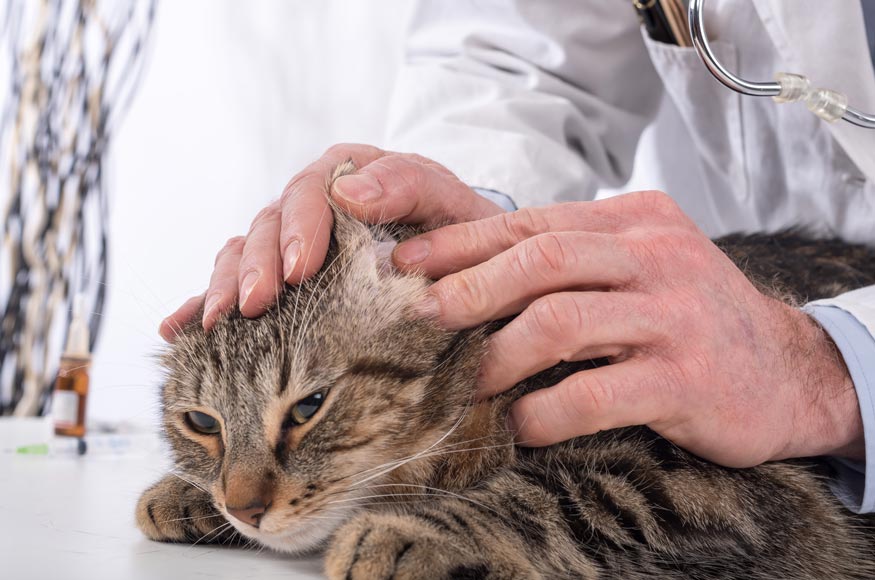
Earinfectionsdo not spread betweencatsor fromcatsto humans. When to worry about middle and innerearinfectionsincats. Seek help from a vet if: Yourcat'searsare swollen or painful.
SeniorPet.To help remedy this situation, here are a few tips for treatingearinfectionsindogs andcats. 1.Earinfectionstypically develop as a result of another problem. In most cases, a pet’searinfectionshould be viewed as asymptomof another, underlying condition.
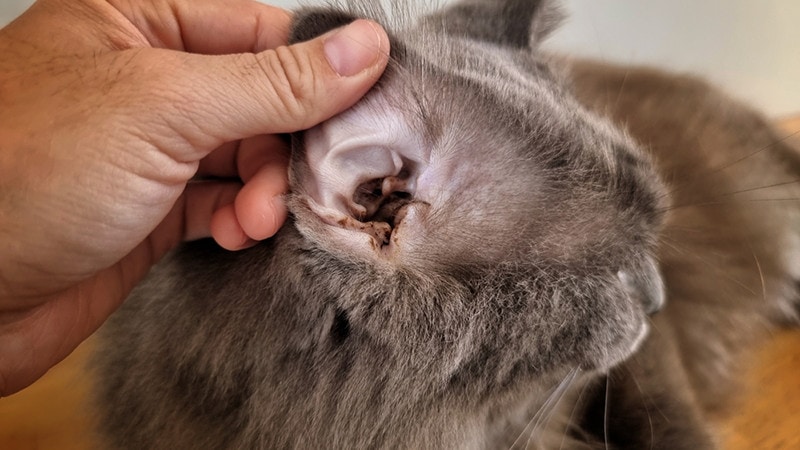
The page provides information and advice onearinfectionseffectingcats.Symptoms. shaking or tilting head. scratching atears.redness + discharge at entrance toearcanal. Causes.Infections; e.g. yeasts, bacteria,earmites. Allergies; e.g. atopy or food allergies.
Discover the most common diseasesinseniorcats, including kidney disease, hyperthyroidism, and arthritis. Learn thesymptomsto catch health issues early.

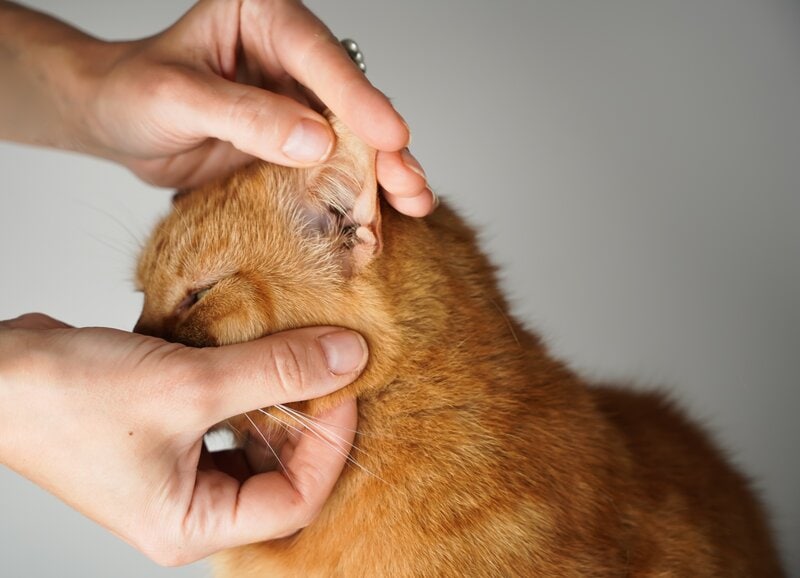
Furthermore, visual representations like the one above help us fully grasp the concept of Ear Infections In Senior Cats Symptoms.
Infectioninacat'searsand parasites.Earinfectionsincatscan occur due to bacteria, foreign bodies, or fungus in the innerear, leading to inflammation in theearcanal.Catsrespond to the pain and itchiness ofearinfectionsby shaking their head and scratching theirears.
Earinfectionsincatscan affect both the innerearand outerear. Those affecting the innerearare known as otitis media.Here’s what you should know about thesymptoms, causes, and treatments forearinfectionsincats.
InfectiousPneumonia -Infectiouspneumonia results from a viral or bacterialinfectioninthe lungs and airways, this is the most common form of pneumonia seen incats.