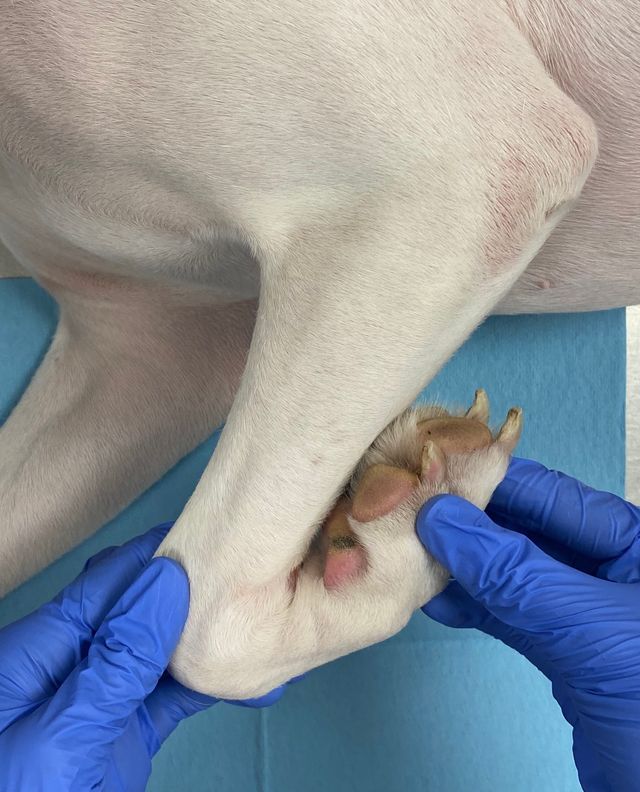
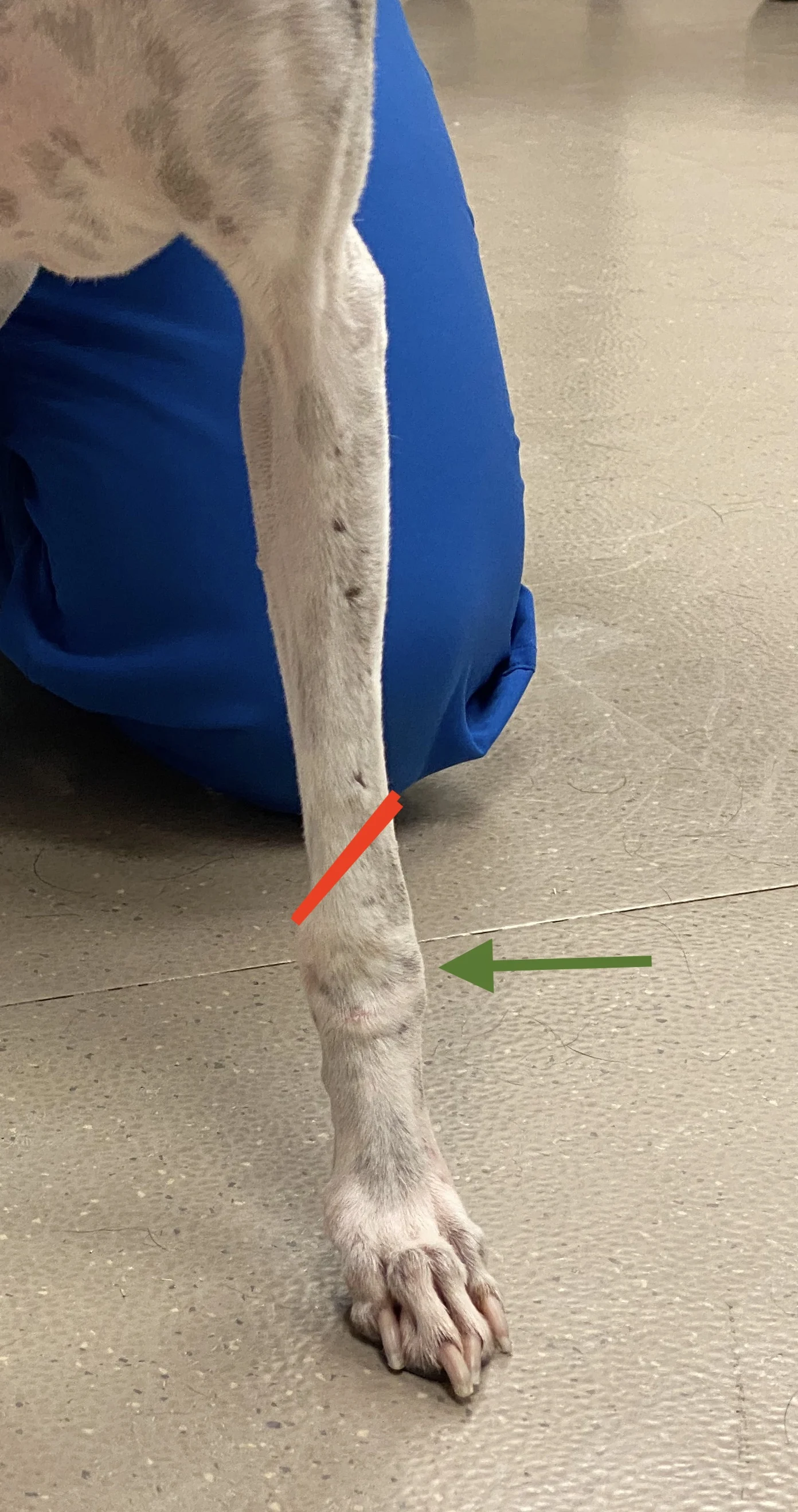
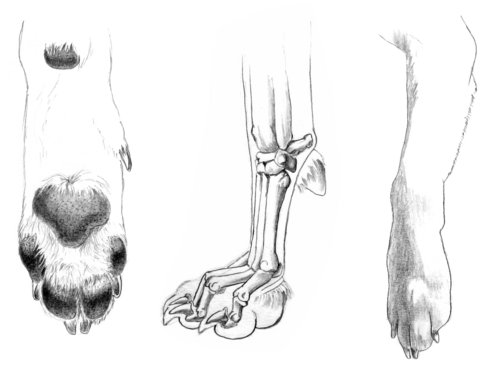
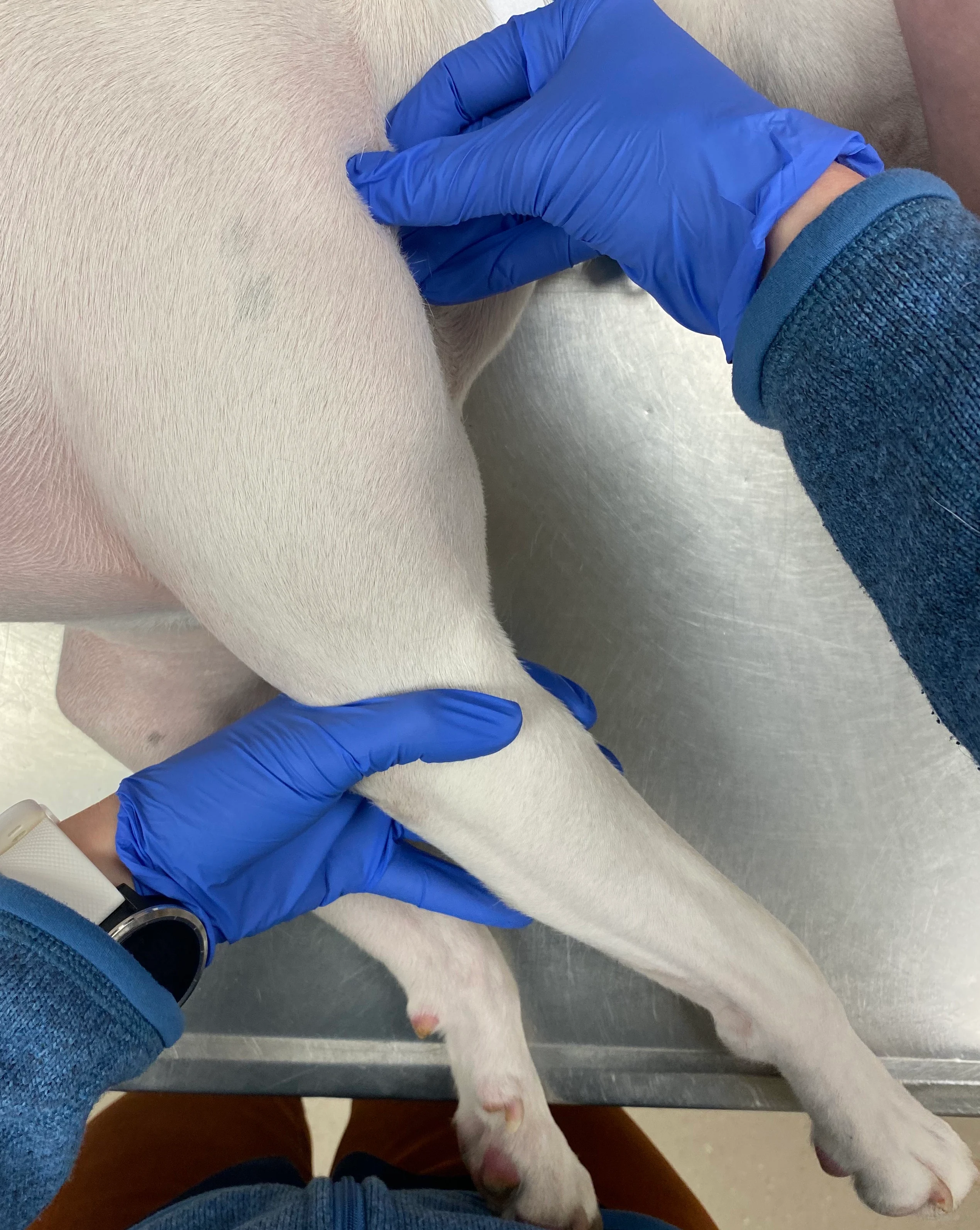
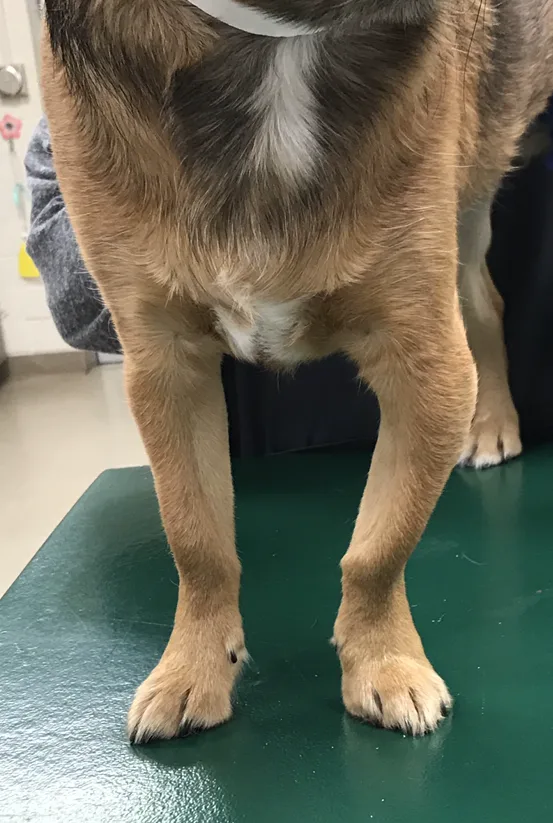
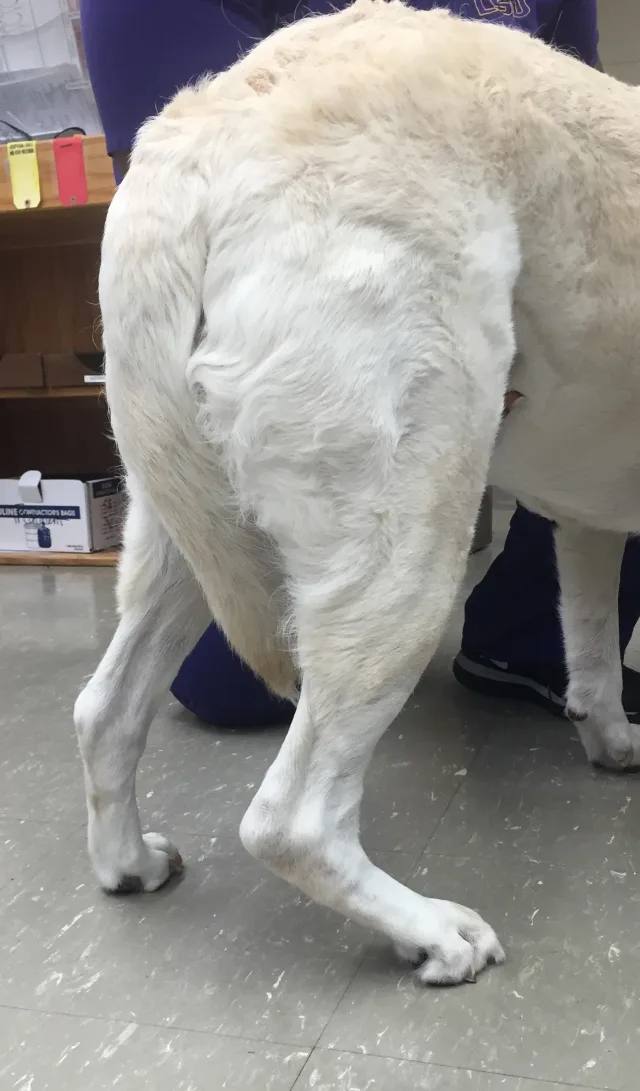
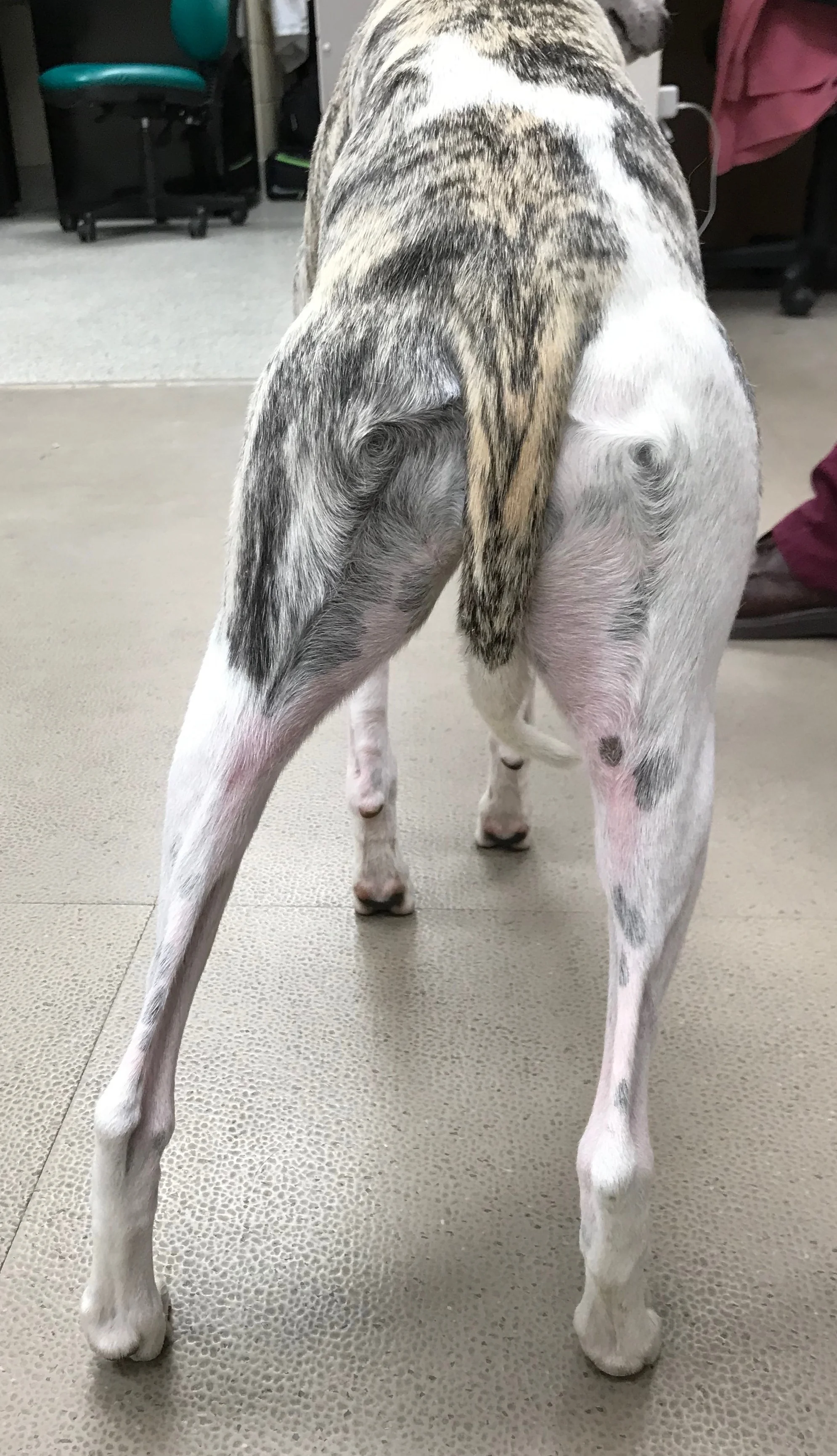
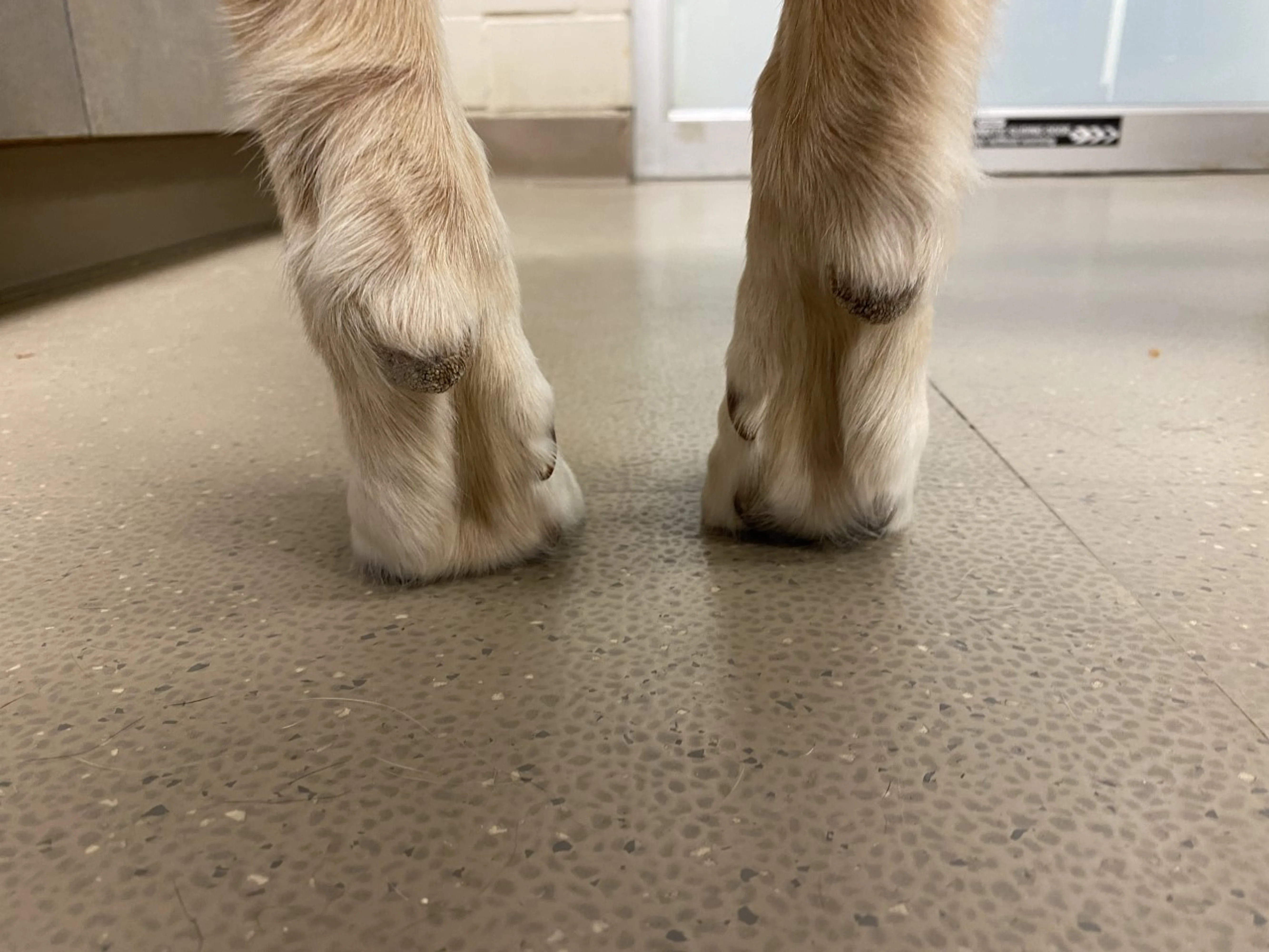
What islameness?Lameness(or limping) is an inability to properly use one or more limbs due to painand/or weakness. The most commoncausesof acute or suddenlamenessindogs are broken nails, soft tissue injury (strain or sprain), injury to a joint, bone fracture, or dislocation. Chronic or intermittentlamenessmay result from many conditions, including osteoarthritis, limb or spinal ...
A dog limping on afrontlegmay occur due to an injury, arthritis, elbow dysplasia, and more. Learn thecausesfrom rehab vet Dr. Youello.

My dog'sfrontlegsare giving out suddenly. When a dog'sfrontlegsbecome lame, they are limping or cannot walk, thecausecan be due to spinal cord, neuromuscular or orthopedic diseases.

If you're wondering "why is my dog limping?", this vet-verified guide will walk you through the most commoncausesof limping in dogs, provide guidance on at-home care,and, most importantly, tell you exactly when to worry and seek urgent veterinary care. Key Takeaways Limping is a pain signal.

This particular example perfectly highlights why Front Leg Lameness In Canines Symptoms And Causes is so captivating.
Discover the commoncauses,symptoms,andeffective treatment options forfrontleglimping in dogs, including non-surgical approaches and surgical interventions.
OverviewIf your dog is limping or having trouble walking, it means something painful is interfering with the normal use of a limb.Lamenesscan range from mild stiffness to complete inability to bear weight and may involve muscles, joints, bones, or even the nervous system.