This study creates new ground in the field of facility management and engineering, focusing onindoorenvironmentalqualityimprovement, in which occupant perception and behavioral impact can be investigated by deploying an integrated approach using data-driven IEQ reports and questionnaire surveys as well as statistical analysis.
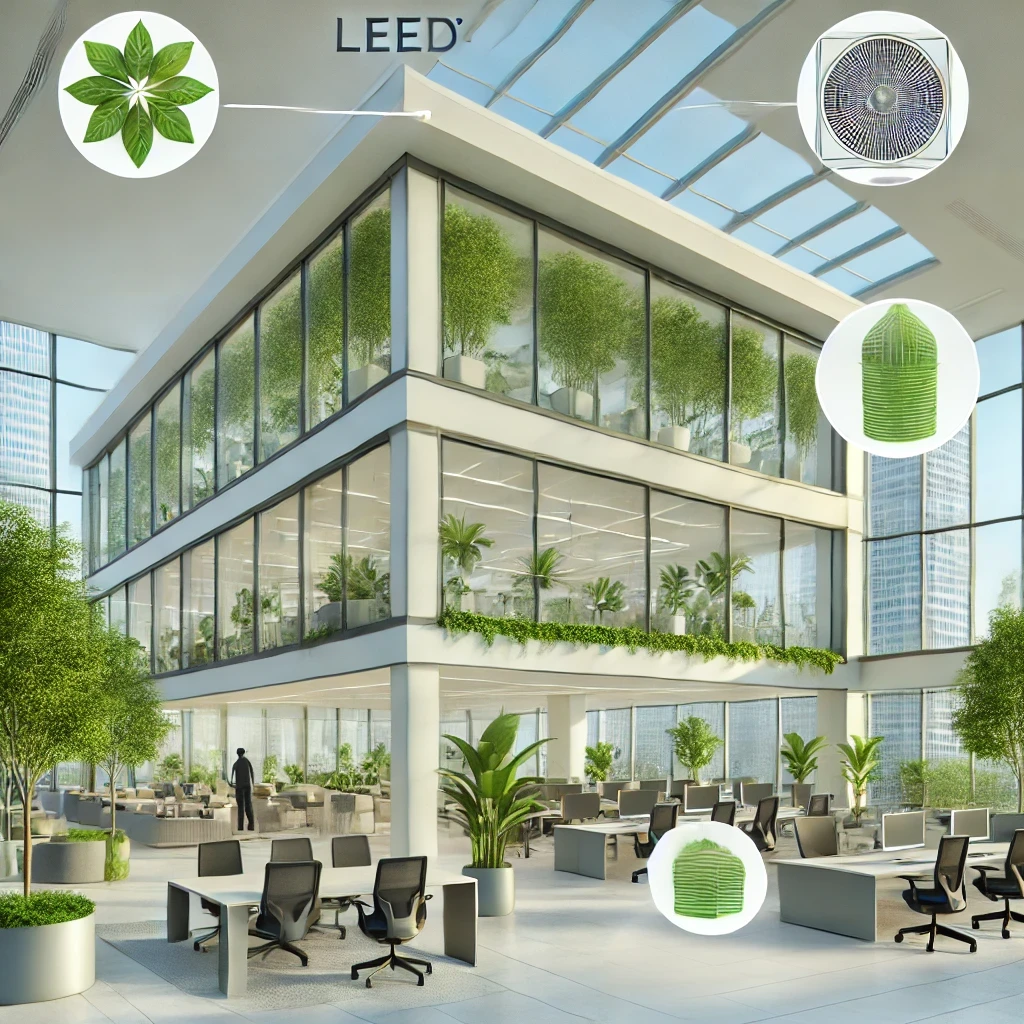
An overview of the new IgCCs clearly affirms thatindoorenvironmentalqualityis a critical component of sustainablebuildings. Ventilation, thermal comfort, airquality, and access to daylight and views are all factors that play a pivotal role in determiningindoorenvironmentalquality.
Awareness ofindoorairqualityissues continues to increase throughout Illinois and the country. Studies conducted by the U.S.EnvironmentalProtection Agency (USEPA) that compare risks ofenvironmentalthreats to public health consistently rankindoorair pollution (including secondhand smoke, radon, organic compounds, and biological pollutants) among the top five risks.

Discover how to optimizeindoorairqualityinhigh-risebuildings. Learn about ventilation systems and why real-time monitoring is vital for occupant health.
If a professional company is hired to conduct abuildinginvestigation, select a company on the basis of its experience in identifying and solvingindoorairqualityproblems in non-industrialbuildings.

Such details provide a deeper understanding and appreciation for Indoor Environmental Quality In High Rise Buildings.
Indoorairquality(IAQ) problems can be solved with smarter ventilation. It is necessary to understand the leading indicators of its performance and promote the optimal management of the comfort of individuals inbuildingswhere the airflow pattern is one of the main aspects for controllingIndoorEnvironmentalQuality(IEQ) [4, 5].