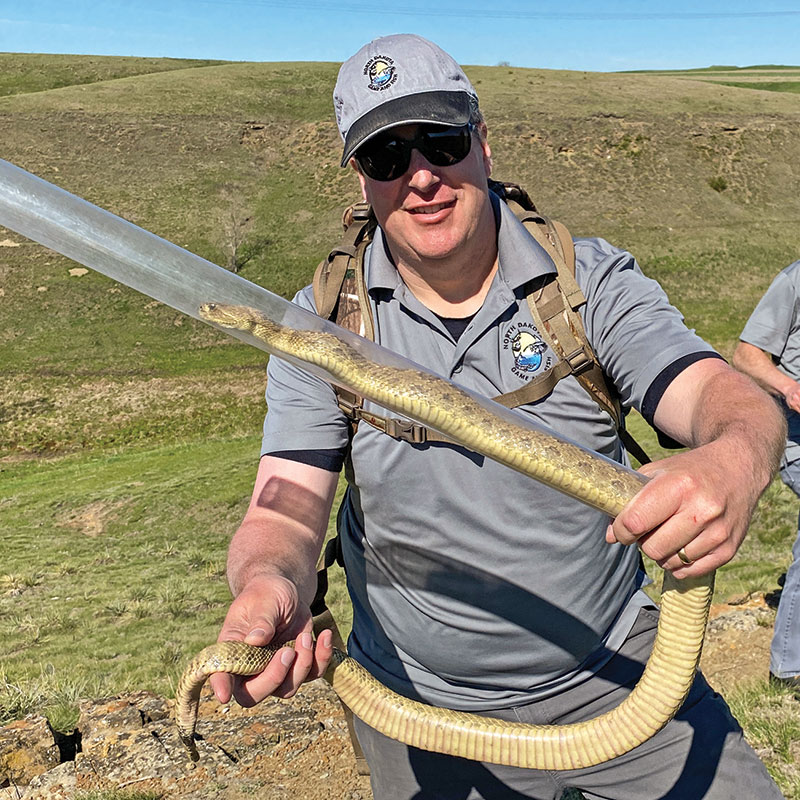
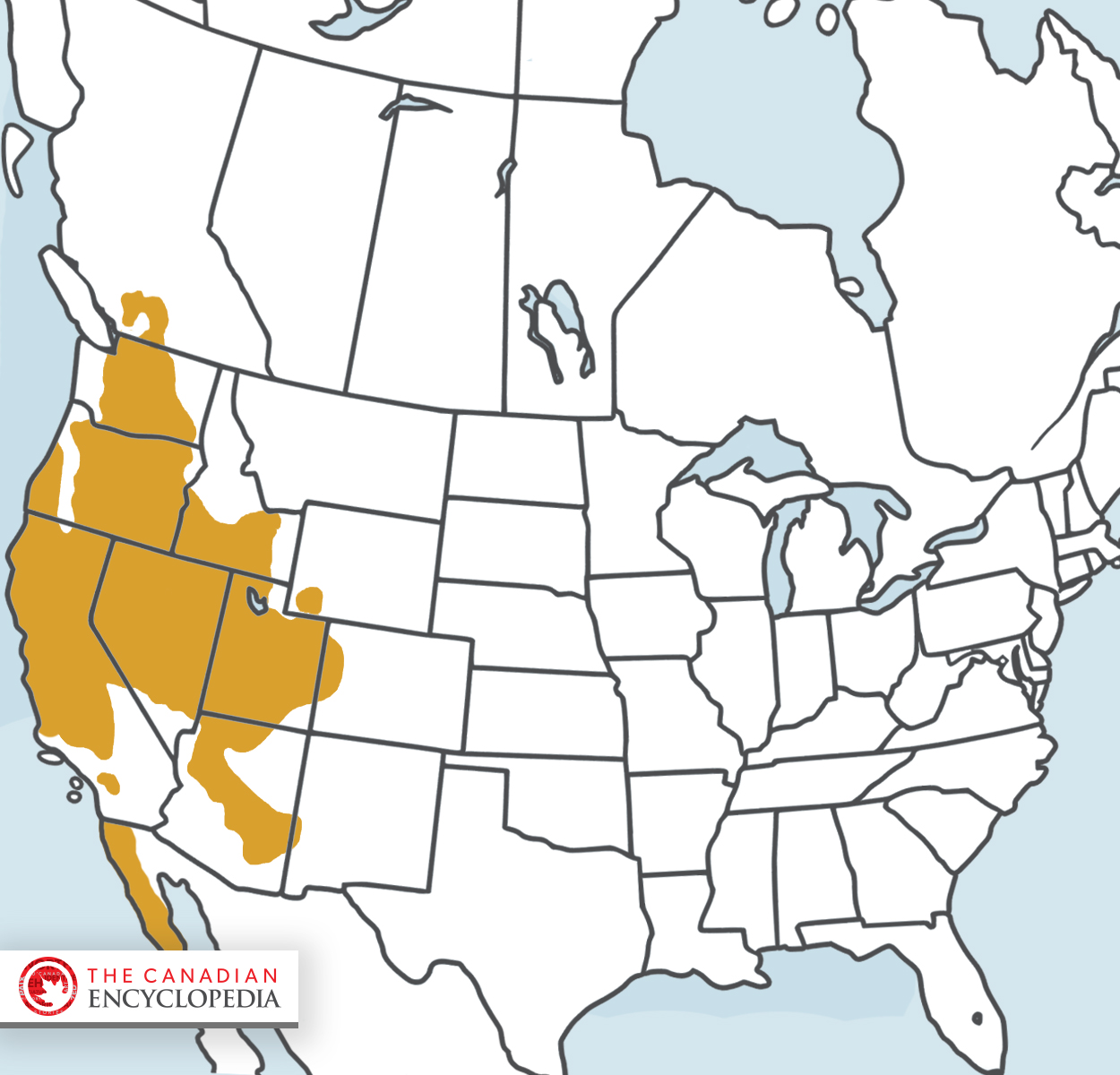
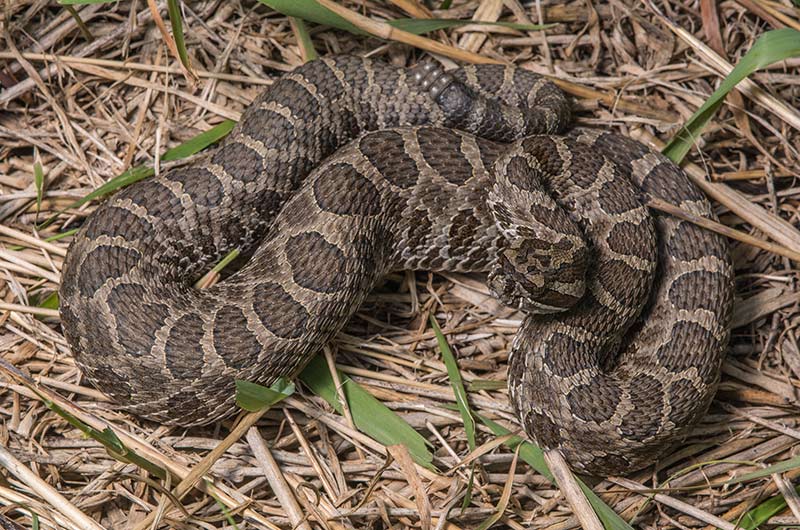
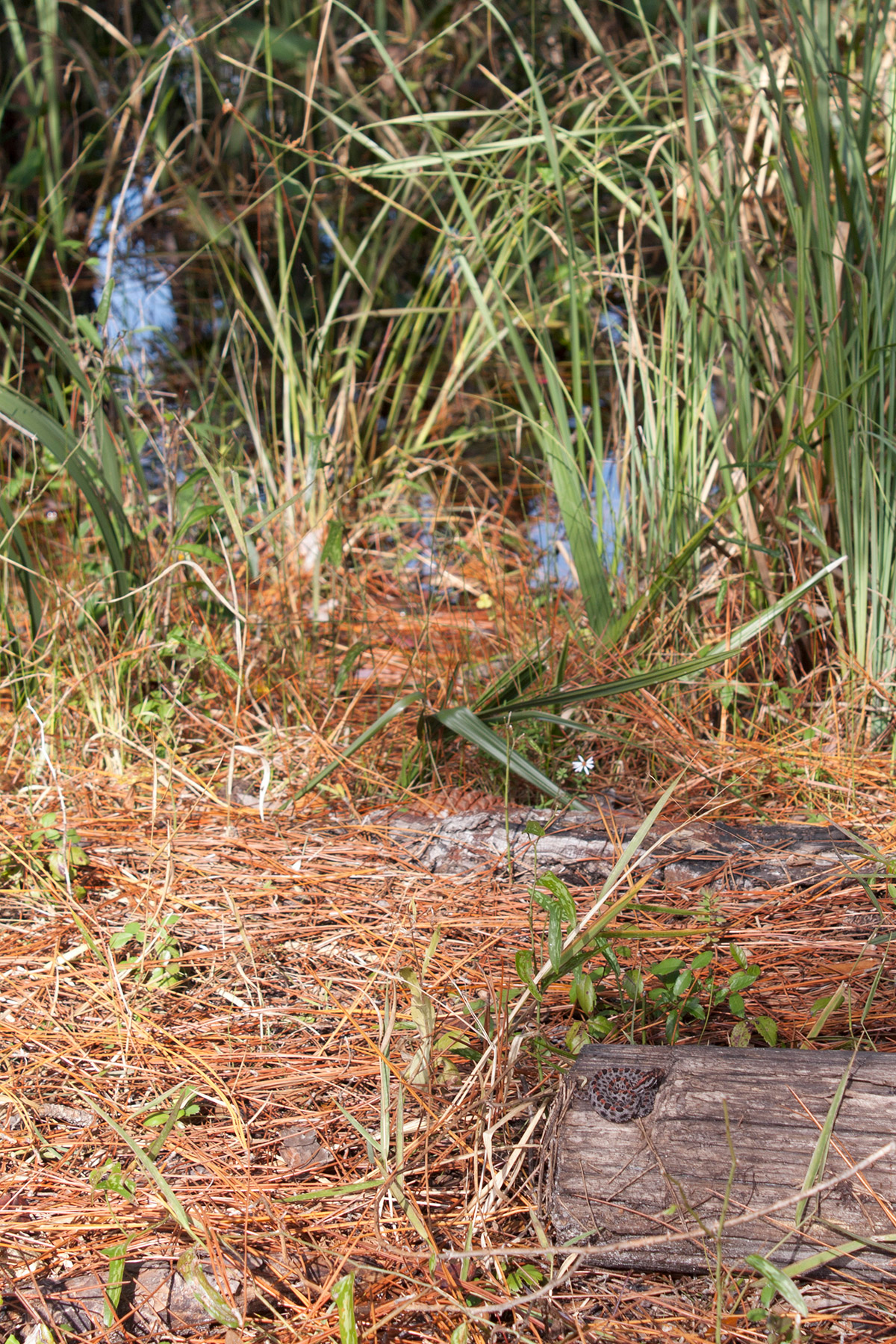
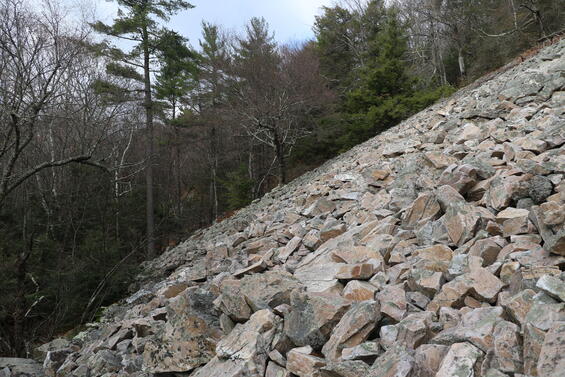
Species synopsis: The timberrattlesnakeoccurs widely across the eastern United States from central New England southward to northern Florida and westward to eastern parts of Nebraska, Kansas, Oklahoma, and Texas. New York is at the northern edge of the range. In the Northeast, timberrattlesnakesare found in mountainous or hilly woodlands with rocky outcroppings, steep ledges, and talus ...
Habitatfragmentation from development, logging, and illegal snake collecting and persecutions have impacted TimberRattlesnakepopulations in New York. Fragmentation can be reduced by planning development that leaves contiguous undisturbed areas that includes dens, basking, gestating, and foraging areas.
Learn facts aboutrattlesnakes'habitat, diet, life history, and more.

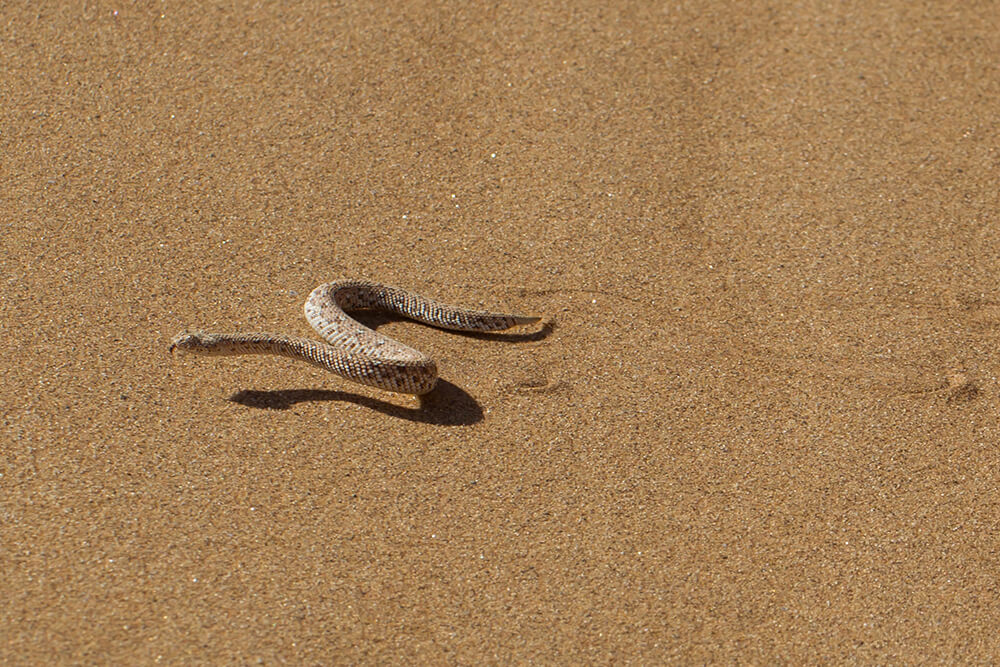
As we can see from the illustration, Rattlesnake Feeding And Habitat Specialists has many fascinating aspects to explore.
Common Questions AboutRattlesnakes: What are the symptoms of arattlesnakebite? How can I protect my dog and other pets fromrattlesnakebites? How can I keeprattlesnakesout of my yard? Arerattlesnakebites becoming more dangerous? TheRattlesnakeVideo Laurence Klauber His GroundbreakingRattlesnakeResearch Laurence M. Klauber, a renowned herpetologist, made significant contributions to ...
Like to hike, but worried about blundering into a nest of snakes? Your concern is probably exaggerated. New York State is home to only three venomous snake species: the timberrattlesnake, the massasauga (found only in the Rochester/Syracuse area) and the copperhead. All are uncommon, and the timber rattler is listed as a Threatened species in New York.
Status While abundant in some areas, the timberrattlesnakepopulation has severely declined in numbers and distribution (about 50-75%) in New York State due to unregulated collection, indiscriminate killing, andhabitatdestruction. Until outlawed in 1971, there was a bounty in certain counties in Northern New York for the rattles of these snakes.