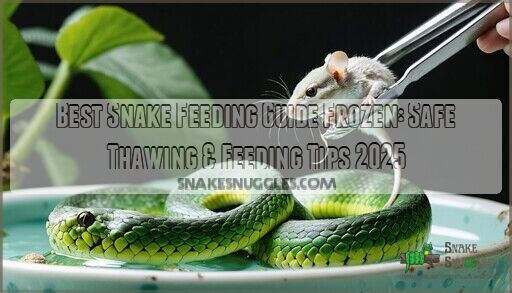
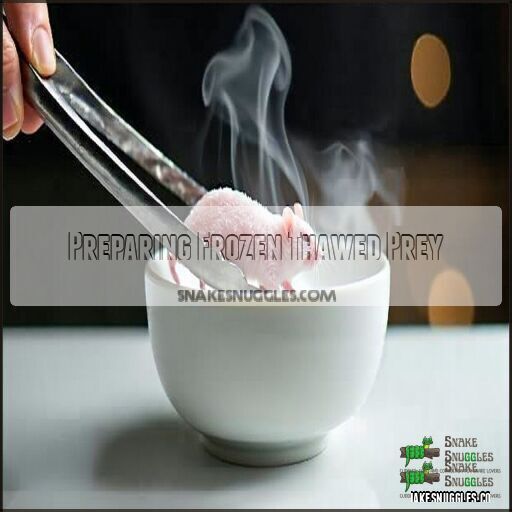
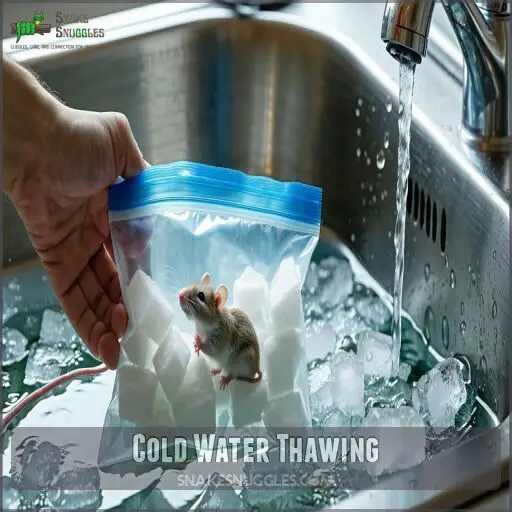
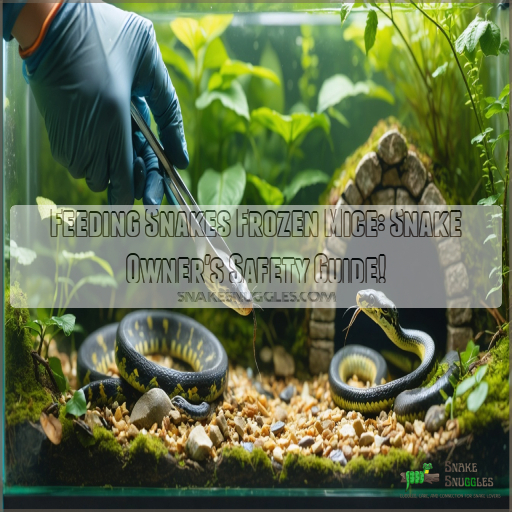
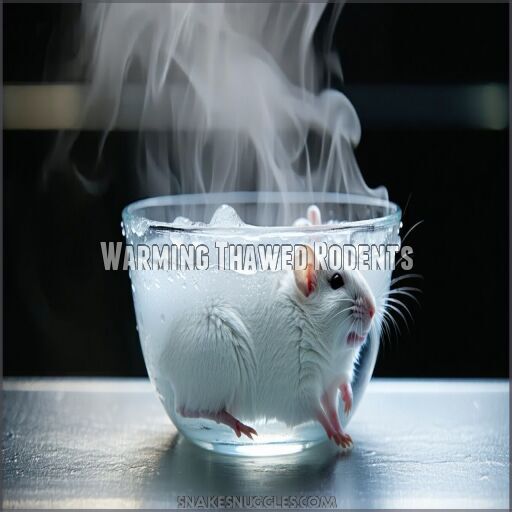
Feedingyoursnakefrozenrodents reduces the risk of harm to thesnake, decreases stress for both you and thesnake, and prevents you from having to watch a rodent suffer. You do need to thaw the rodents beforefeedingthem to yoursnake, and if yoursnakeis being stubborn, you can use tricks to help it decide it likesfrozenfood.
FeedingFrozen/Thawed Prey Items toSnakesin Captivity Under captive conditions, mostsnakeswill thrive on a diet consisting offrozen/thawed rodents. For example, generations of captive breeding have made it wheresnakesthat only eat birds in the wild will easily accept afrozen/thawed mouse in captivity.
Whyfrozen-thawed prey is the safest, most practicalfeedingmethod for captivesnakesand how to do it right every time.
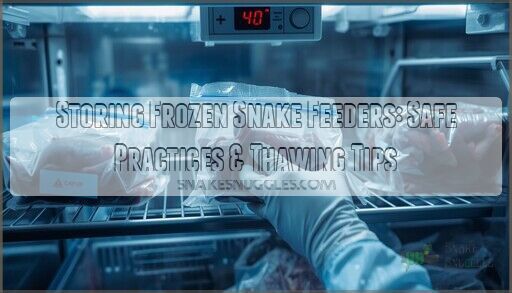
Discover expert tips and best practices for safelyfeedingfrozen-thawed prey to yoursnake, ensuring optimal nutrition and a thriving pet.
Learn the best practices forfeedingsnakesfrozenmice and other prey. Discover tips onthawing, safe handling, and nutritional needs for a healthysnakediet!
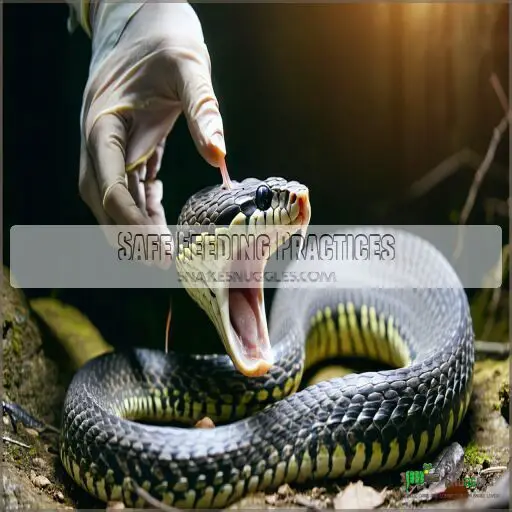
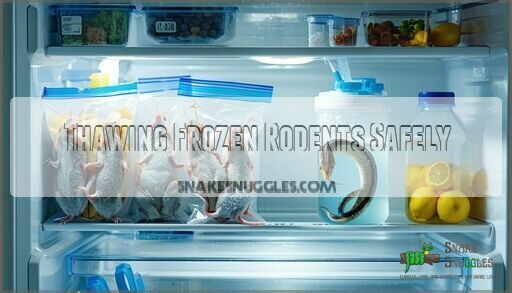
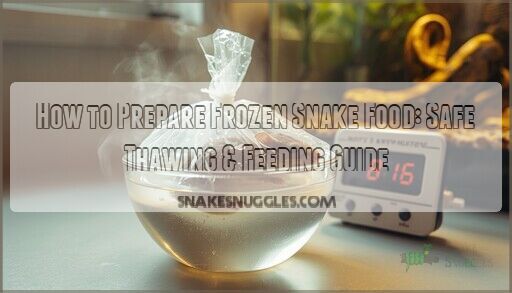
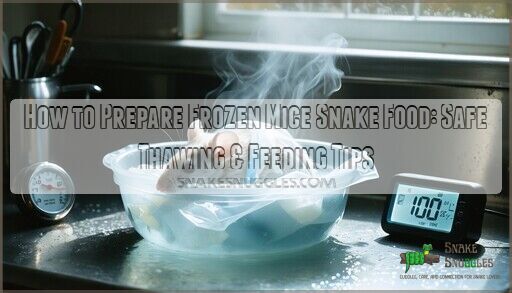
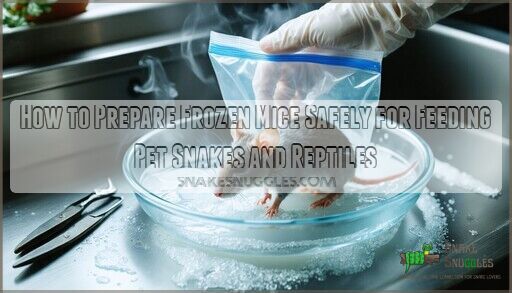
FeedingFrozenThawed.Snakesare shy eaters so pick a time to feed thesnakeso it is not going to be bothered. Pick the appropriate sizedfrozenrodent to feed your pet reptile. Keep thefrozenrodent in the plastic bag and allow a period of time for thefrozenrodent to thaw beforefeeding. For fasterthawingyou should keep thefrozenrodent in the plastic bag and put in a cup of warm ...
The easiest and safest way tofeedyoursnakesare withfrozenmouse or rats which you thenthawout (f/t mice).
Again,feedinglive mice tosnakesis not arecommendedpractice. Proper Storage Practices. The storage of food supplies also presents a situation that greatly favors the use offrozen/thaweditems. Livefeederrodents require a large amount of space and expense for their maintenance.