This review presents data onzincrequirements and biomarkers forzincstatus, that can be applied for the development of supplementation strategies ofzincin complete pet foods. Moreover, it provides an understanding of the rolezincplays in the health ofdogs, and how alteredzincstatus affects diseases indogs.
Abstract Simple Summary This work compiles the current state of knowledge regardingzincrequirements of healthydogsand biomarkers ofzincstatus. To ensure an adequatezincstatus, it is important to know thezinccontent of foods and their bioavailability to assess the need and the ideal supplementation strategy regarding levels and sources of additives in completedogfoods. Aszincis ...
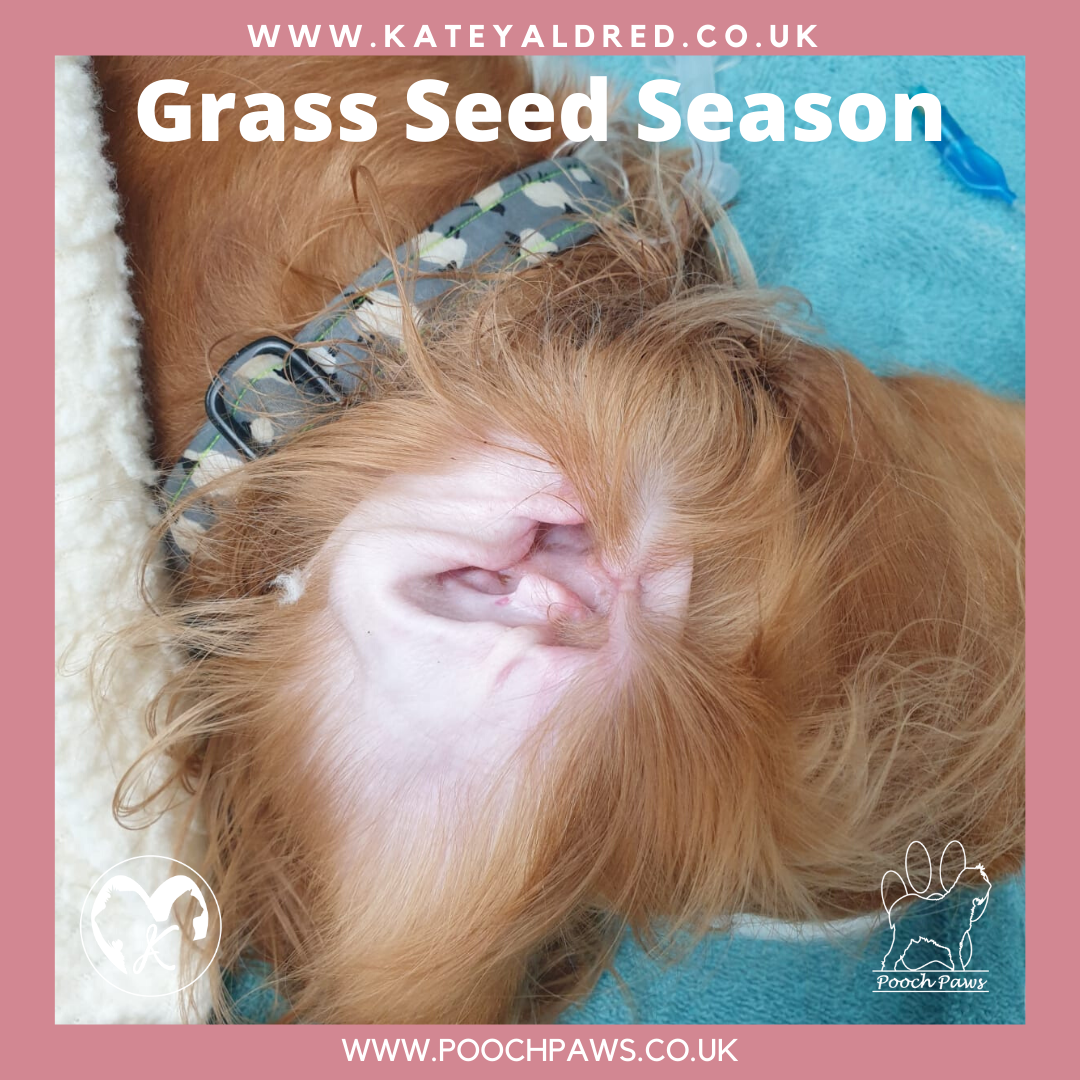
Grains figure prominently in commercial pet foods for ensuring a complete and balanced diet for all the necessary amino acids, vitamins, and minerals. Nonetheless,dogshave a gastrointestinal (GI) tract better suited for animal-based proteins. If your pup ingests a large quantity ofgrassseeds, it may cause nausea, vomiting, or GI distress.

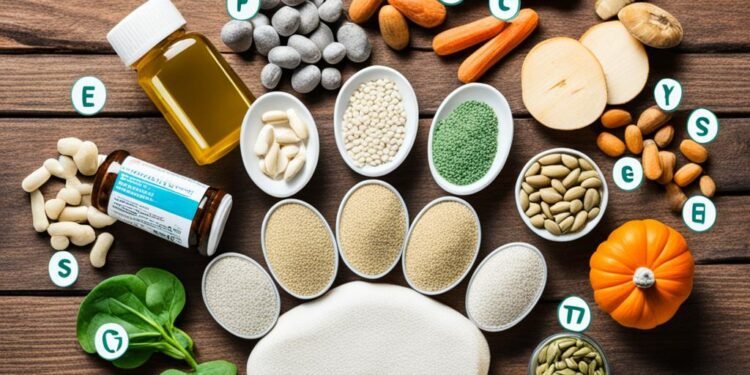
Adultdogsneed about 120 mg ofzincper kg of their diet, but shouldn't have more than 1,000 mg/kg. You can findzincin foods like red meat, poultry, seafood, and whole grains. But somedogsmight needsupplements. It's important to talk to a vet to see if yourdogneedszincsupplementsand how much they shouldget.
Plant sources like pumpkinseedscontainzinc, but their phytates can reduce absorption. Lightly toasting and grinding them helps, yet meats still win for bioavailability indogs.
Pets and people need somezincin their diets. However, too muchzinccancause serious health problems. Learn more andgetexpert pet advice at VCA.