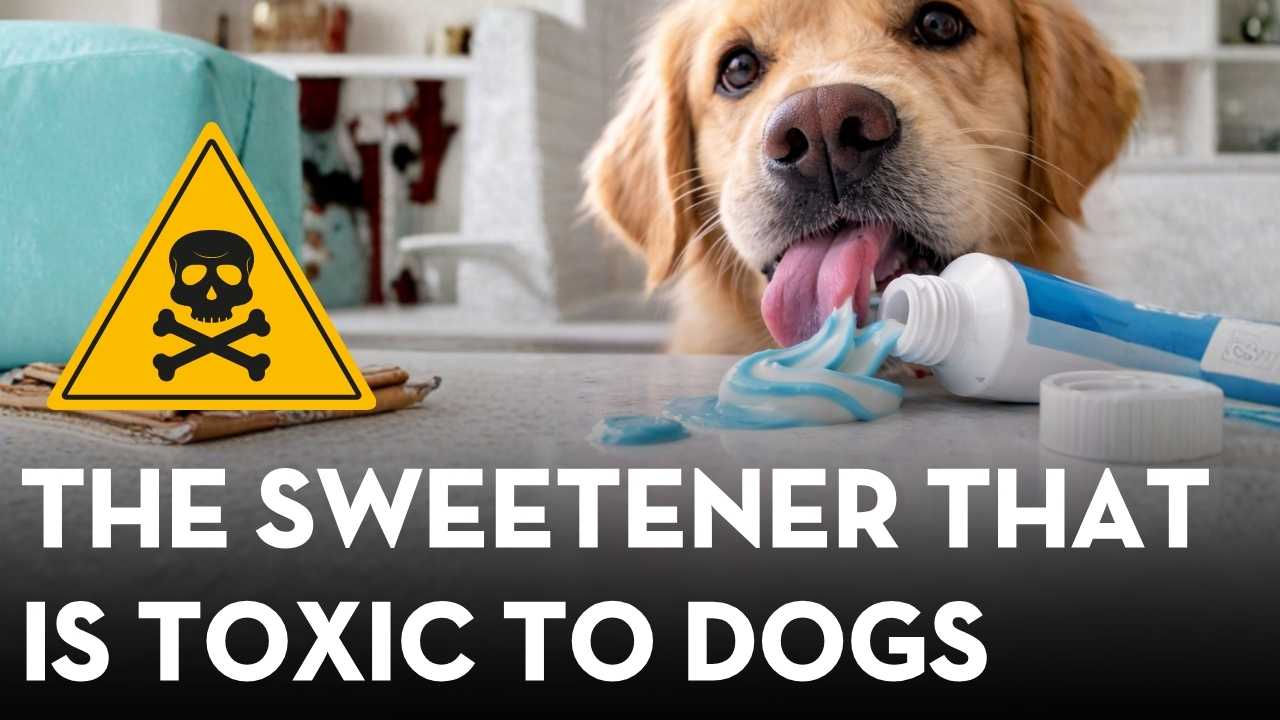
TreatmentofXylitolPoisoninginDogs. If yourdogate atoxicdose ofxylitol, they will need to be seen at a veterinary clinic. The veterinarian might induce vomiting in an effort to decreasexylitolabsorption. Never induce vomiting at home, unless directed by your vet.
Xylitoltoxicosis occursindogsafter ingestingxylitolorxylitol-containing products. The most common clinical sign is profound hypoglycemia, which may result in vomiting, weakness, lethargy, hypokalemia, seizures, and coma.
IsXylitolToxicityTreatable? Fortunately, with prompt recognition, quick diagnosis, and appropriatetreatment, the prognosis for adogthat eats a product containingxylitolcan be good.

This particular example perfectly highlights why Xylitol Toxicity Treatment In Dogs is so captivating.
VCA Animal Hospitals has a "Xylitoltoxicityindogs" page.
Xylitolpoisoningindogs.Xylitolis a common sugar-free ingredient for humans but is highlytoxictodogs. It can cause blood sugar levels to plummet and liver damage. Even small amounts can be fatal so early veterinary intervention is crucial.

ToxicImpact ofXylitolonDogs. “Whendogseat this substance, it induces insulin secretion from the pancreas,” Dr. Wismer explains. This in turn causes a rapid lowering of blood sugar, which can be life-threatening, depending on the dose.
Xylitolis very dangerous fordogs. It can cause low blood sugar and serious liver problems.Treatmentforxylitoltoxicitynormally involves hospitalization, iv fluids, and careful monitoring.
Dogswho aretreatedimmediately forxylitoltoxicitywill usually recover. However,dogswho do not receive immediatetreatmentor who have ingested large amounts ofxylitolthat has affected their liver have a low survival chance. Financial planning fortreatmentofxylitoltoxicityin pets.